Conscious Design for Well-Being
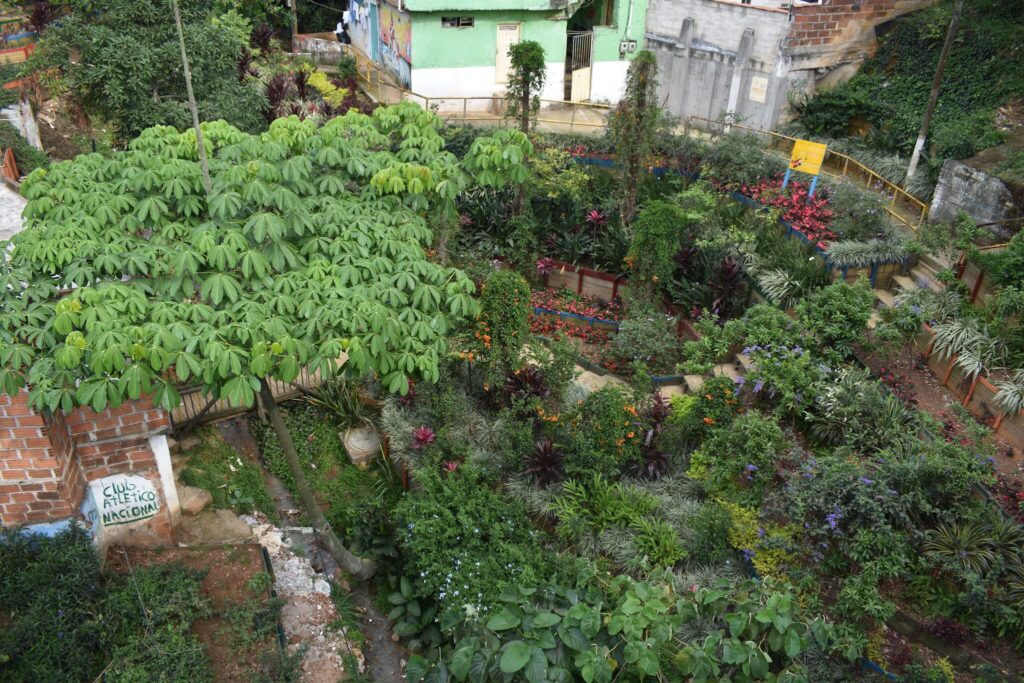
We can enhance our experiences by making conscious design choices that centre the overall health and well-being of individuals, our communities and society at large, and the sustained health of our ecosystems.
No Permission Needed: Dilek Ozgit on Startups, Art and Engineering
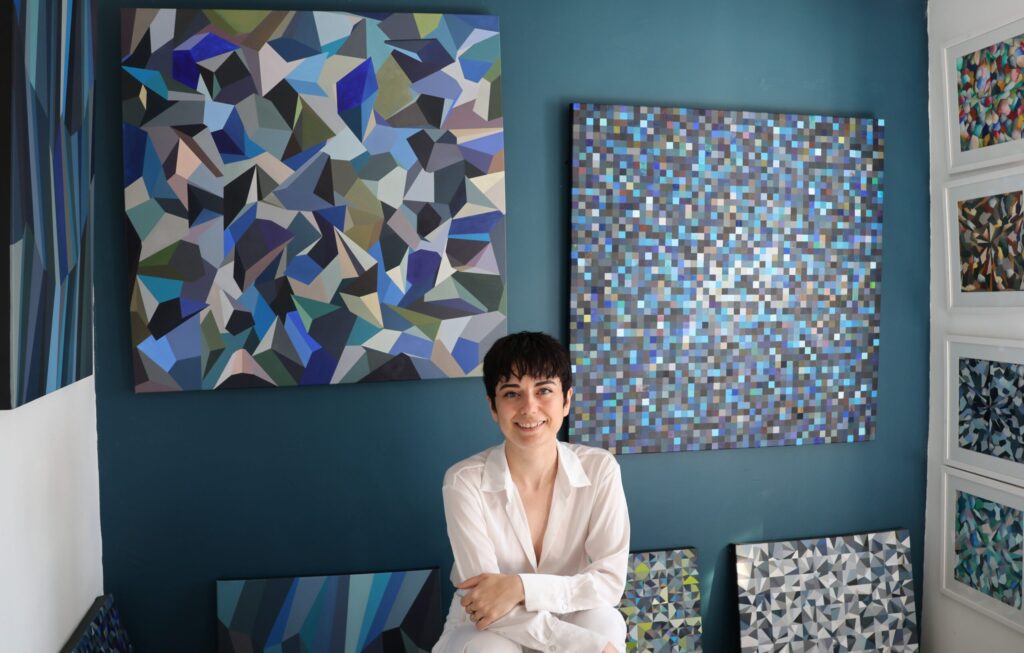
Engineer and artist Dilek Ozgit explores the connection between art and nanomaterials through painting, experimentation and scientific thinking. Her work reflects how research, curiosity and creativity can exist together.
Additive by Design: Modular Fashion and 3D Printing with Brigitte Kock

Brigitte explores modular fashion through mathematics, design and making, revealing how art and science come together to create systems of endless possibility.
Rethinking Ageing Through Dance
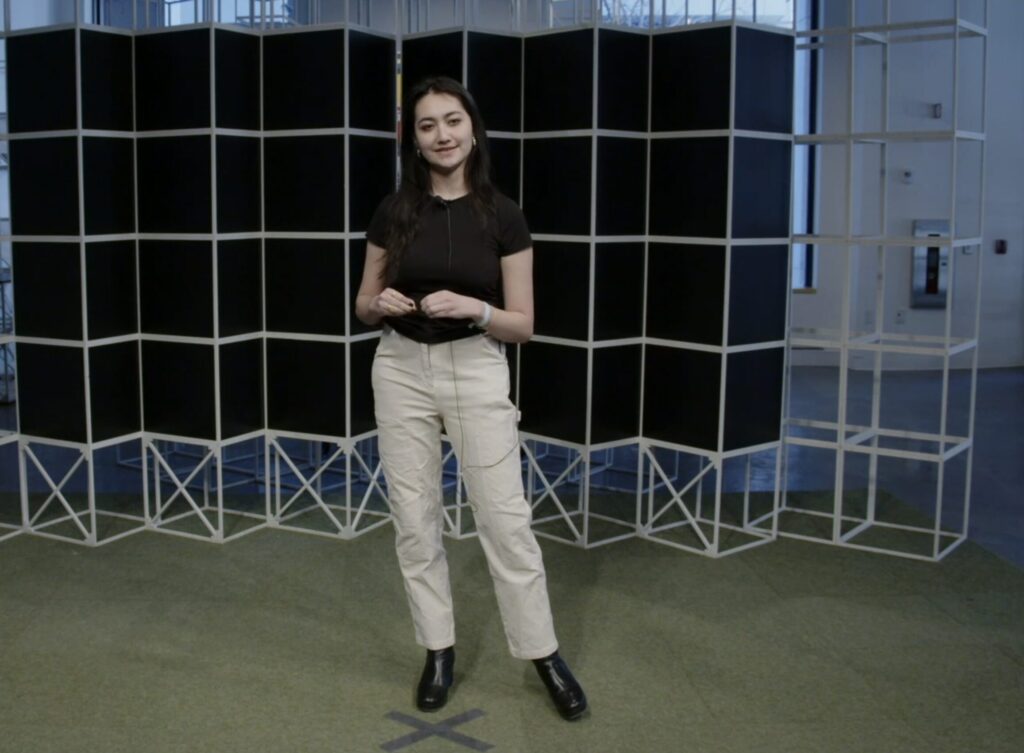
3-Minute Thesis Winner Emma H Chen explores dance and ageing through interviews with practitioners, revealing how movement, community and research reshape ageing as transformation rather than decline.
The Myth of the Polymath
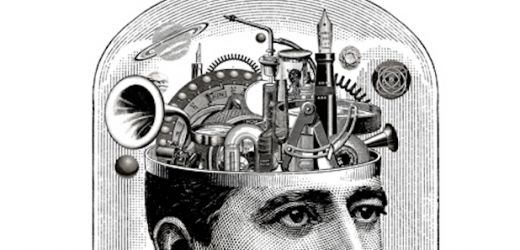
When you think of the word polymath, who comes to mind? Leonardo Da Vinci is probably the most famous example. A prolific artist, best known for painting the Mona Lisa, he was also a prolific investigator who made numerous contributions to the sciences and engineering. Several other historical figures had polymathic biographies, like Benjamin Franklin, Gottfried Leibniz, Ada Lovelace, or Dr. Agnes Forbes Blackadder Savill. Some were even inventors. Their polymathic endeavours afforded them the insight and foresight to design new devices or develop entirely new technologies. Going down in history is one thing. Going down in history as someone historians, biographers, and scholars of human creativity would agree was a polymath is another. Perhaps that explains why the figure of the polymath, in our popular understanding, is of such mythic proportions. The polymath is an exceptional individual with a type of genius intelligence that is rare amongst the geniuses. The Modern Polymath Yet, polymathy remains poorly understood. It is simply not well studied. A slow uptick in interest from educational researchers occurred over the past two decades, but recent developments stem from the intersection of entrepreneurship, innovation, and creativity research. Michael Araki is one such researcher. As a graduate student, Araki sought to articulate a definition of polymathic traits and activities. He also presented examples of what to exclude from the definition. Reading across many disciplines does not make an individual a polymath. If the knowledge consumed does not get applied to domains that are new to the individual, then there is little value in the amassed information. Tending to several hobbies is not a polymathic trait either, because low engagement and low mastery never results in expert skill in any of the activities. In his Developmental Model of Polymathy (2018), Araki explicitly states that most individuals can be taught to be polymathic in their thinking and practices. Exceptional intelligence at birth is not required. Instead, a polymathic mindset requires a set of psychological attributes that encourages curiosity, flexible thinking, and the ability to connect the dots across disciplines. He emphasised the importance of the learning environment, modes of instruction, and the nature of curricular design for educating polymaths. A common trait amongst historical and modern polymaths often gets overlooked by other researchers. Polymathy develops over the entire lifespan of the individual. Periods of intensive study in different disciplines, which might occur in parallel or staggered over time, are followed by periods of transdisciplinary activity. What emerges is a polymathic way of life, an important criterion for Araki. The Triadic Approach to Polymathy (Araki, 2025) refined the three dimensions of the developmental model: breadth, depth, and integration. Breadth refers to the diversity of knowledge, depth to the level of expertise in that knowledge. The final dimension is most intriguing. Integration of diverse, expert knowledge and skills that stem from multiple disciplines, requires “the capacity for connecting, articulating, concatenating or synthesizing different conceptual networks, which in non-polymathic persons might be segregated” (Araki, 2019). Are Multi-Disciplinarians Polymaths? Araki’s LinkedIn essays are accessible and thought-provoking, posing pertinent questions. Are we preparing graduates for careers that will go extinct in the near future? Is narrow specialisation at all relevant in a rapidly-changing economy? Do the unprecedented challenges of the modern world require a new type of problem-solver? As work keeps shifting, our work identities keep shifting, and one can’t help but wonder what modern polymathy means for our hybrid offline/online identities. Shortly before the Covid-19 pandemic, media attention started turning towards unconventional career trajectories. A new trend was emerging from the gig economy and the advent of influencer culture. The multi-hyphenate emerged on social media and started appearing on podcasts. This was more than just a job title. This was a new way of self-identifying that merged the private individual with a personal brand for business and a life orientation. Journalist and storyteller collective, The Outline, featured an article which was aptly titled, “The Rise of the Multi-Hyphenate: What do you do? I’m a podcaster-vlogger-model-DJ” (2019). The self-employed multi-hyphenate wears many hats, juggling the tasks that keep their fledgling business afloat. They document their process on social media. One might pause to observe that this framing of the multi-hyphenate professional bares striking semblances to a generalist. And where does that observation leave the multi-passionate, a term that seems to signal the same message as the multi-potentialite? These are individuals with many interests and creative pursuits that are connected by transferable skills, experiential learning, and applied knowledge. One might be tempted to assert that we’re confronted with a family of modern personas that have polymathic traits. We wonder what this means for the art-scientist. From our perspective, the art-scientist is one who dabbles in transdisciplinary thinking and research practices. Ironically, there is a strong connotation of “job title-ness” to the term, not present in the other personas. Modern science is advanced, practiced, and taught by the scientist after all. Perhaps the art-scientist is a member of this family of modern polymathic personas, the one who investigates, generating new knowledge founded on the basis of art-science integration. Source material Accessed March – April 2026.
Arts-based Medical Education and the University of the Future
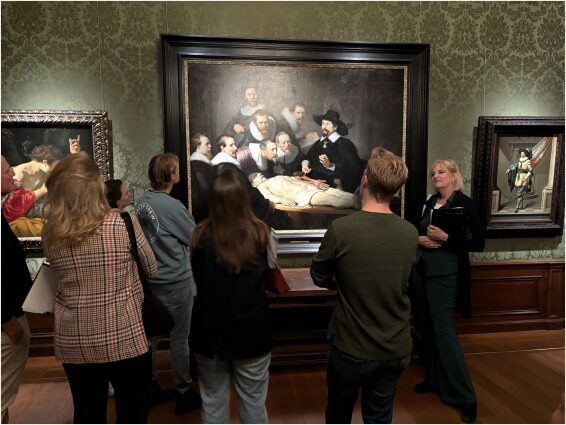
Explore how art and anatomy intersect through Rembrandt’s The Anatomy Lesson of Dr. Nicolaes Tulp and Dick Ket’s self-portrait, as featured in a recent scientific article, revealing the historical relationship between medicine and visual representation.
Art-Science and Knowledge Accessibility

Traditional science communication often remains within institutional spaces, limiting public access to important knowledge. This blog explores how art science integration can break barriers to accessibility by presenting complex ideas through creative and experiential formats that resonate beyond academic environments. By drawing from multiple knowledge spheres art science approaches create meaningful entry points that invite broader engagement with the concepts shaping our collective future.
2026: In Pursuit of a Sustainable Art–Science Future
Every movement has a beginning. Not a moment of arrival, but a period of exploration, experimentation and momentum-building. For The Crearte Foundation, 2026 will pose as a deliberate run through of the landscapes we want to inhabit long-term, testing what art–science can look like when it is not just an idea, but a living ecosystem.
The Architecture of Choice with Peter Ayres
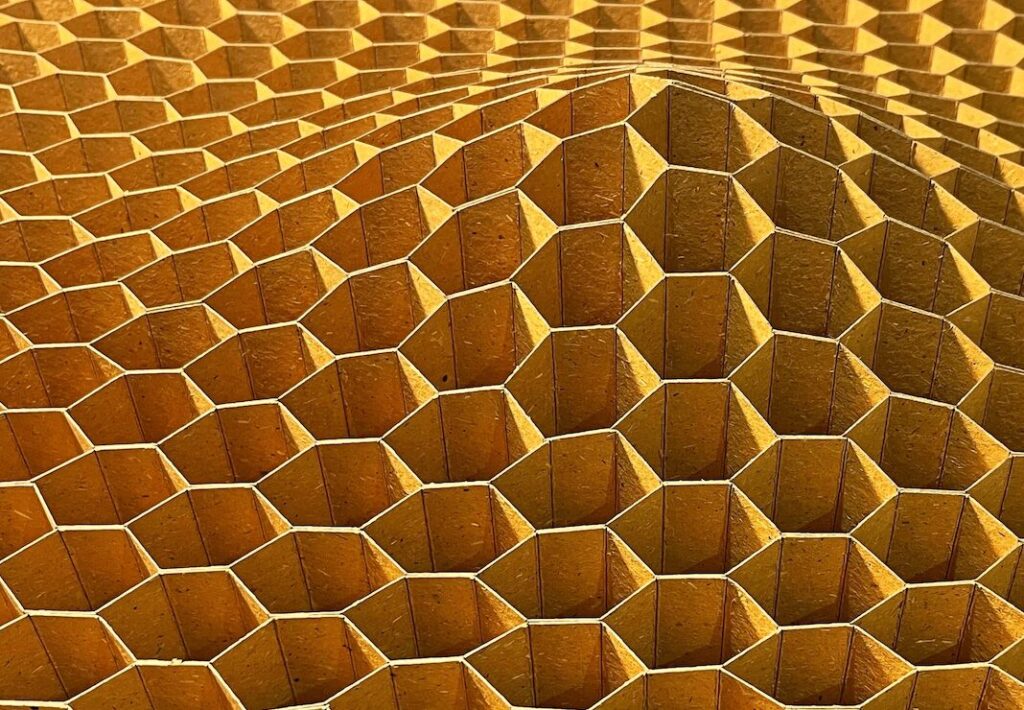
Artist and researcher Peter explores creativity as an architecture of choice. Through paper, biology and art–science integration, he reveals how decisions shape both artistic and scientific discovery.
The Rising Wave of Art–Science: Why Integration Is the Future of Innovation
For centuries, art and science have been treated as two distinct cultures with different languages, different rules and different expectations for how knowledge should be created. Scientists stay in their labs; artists stay in their studios. Existing academic structures reinforce disciplinary silos, and funding models often reward specialization rather than cross-integration. Even though our world is more interconnected than ever before, the systemic design of our institutions still encourages people to communicate only within their own field. Yet, beneath this layer of separation, something extraordinary has been happening. Across the world, people are weaving together artistic and scientific thinking in ways that push the boundaries of innovation. This emerging landscape—often referred to as art-science, sci-art, art-sci, or research-creation —is rising as one of the most exciting cultural and technological movements of our time. The field is gaining momentum, but remans fragmented as communities are scattered across universities, independent labs, creative hubs and personal studios. Outside of these, many practitioners have been working in isolation, unaware that other professionals like them exist. This is the exact problem The Crearte Foundation for Art-Science Innovation was created to solve. We exist to establish art-science on a recognizable global scale as an answer to innovation and creativity. The Origins and Evolution of Art–Science The term artscience was notably advanced by David Edwards, an American scientist, inventor, and Harvard professor whose book Artscience: Creativity in the Post-Google Generation helped popularize the idea in the U.S. Edwards argued that the borders between art and science were dissolving and that the future of innovation depended on bridging the two. His work laid a foundation for a new vocabulary and brought legitimacy to practices that had long existed but lacked language, structure and institutional support. Still, even with growing academic interest, art-science has never been limited to a single definition. Around the world, creators and researchers use a wide range of terms to describe what they do: This diversity shows how rich and expansive the field is, but it also contributes to its fragmentation. Without shared language, shared spaces or shared visibility, progress stalls. The Missing Cross-Talk: Why Fragmentation Holds the Field Back When The Crearte Foundation began, we believed art-science was still relatively unexplored, perhaps only practiced by a niche minority. But as we built programs, searched for collaborators and reached out to global communities, we discovered something surprising: art-science wasn’t rare at all. It was everywhere. There were dancers exploring neuroscience in Europe. Designers integrating biology in Asia. Engineers with musical expertise in South America. Tiny pockets, small but powerful, were emerging in nearly every region of the globe. They simply didn’t know the others existed. This lack of communication is one of the biggest barriers facing art-science today. Without cross-talk, resources cannot be shared, mentorship cannot flow and collaborative breakthroughs cannot take shape. It’s like discovering a new medicine in a remote northern region while another team independently discovers a complementary treatment in different southern region. If those two groups never meet, never communicate and never know the other’s work exists, the potential for advancement remains stuck in isolation. ” Innovation slows not because of a lack of talent or discovery, but because of a lack of connection.“ Art-science faces this same challenge. Individually, practitioners are brilliant. Collectively, they are invisible—until we bring them together. The Crearte Foundation: Building the Infrastructure for a Global Community At its core, The Crearte Foundation seeks to bring together global art-science communities, building a cohesive network where art-scientists can thrive. Our goals are simple yet transformative: We want to create spaces, resources and opportunities for individuals who integrate their expertise(s) in art and science, so they no longer have to choose to follow one stream of their interests. Today, we have connected with active art-scientists across more than 22 countries, representing a wide diversity of disciplines, cultural perspectives and hybrid practices. This reach is not only a reflection of the Foundation’s growth, it is evidence of a worldwide need. A need for community. A need for recognition. A need for new models of innovation that are not limited by disciplinary boundaries. By bringing these creators, researchers and thinkers into conversation with one another, we are helping to reshape the landscape of how art, science and technology intersect. And the more people we meet, the clearer it becomes that art-science is not a fringe movement. It is a rising global force that is ready to impact lives, communities and economies. Why Art–Science Matters Today We are living in a time where creativity and technology are merging at unprecedented speeds. AI, biotechnology, immersive media, neuroaesthetics, sustainability research and digital performance art all operate at intersections. The most groundbreaking ideas—those that shape societies, industries and cultures—are emerging from people who think differently. Art-scientists embody this intersection. They challenge assumptions. They blend imagination with analysis. They create experiences that move people emotionally while illuminating complex truths. They make science more human and art more exploratory. And most importantly, they expand what innovation can look like. A Call for a New Era of Cross-Disciplinary Innovation The future of art-science will depend on our ability to unite the field and create structures that support cross-disciplinary integration, visibility, mentorship and collaboration. The Crearte Foundation for Art-Science Innovation is committed to leading that movement and building the global ecosystem needed to help art-scientists not only exist, but thrive.