Dr. Bob Procter
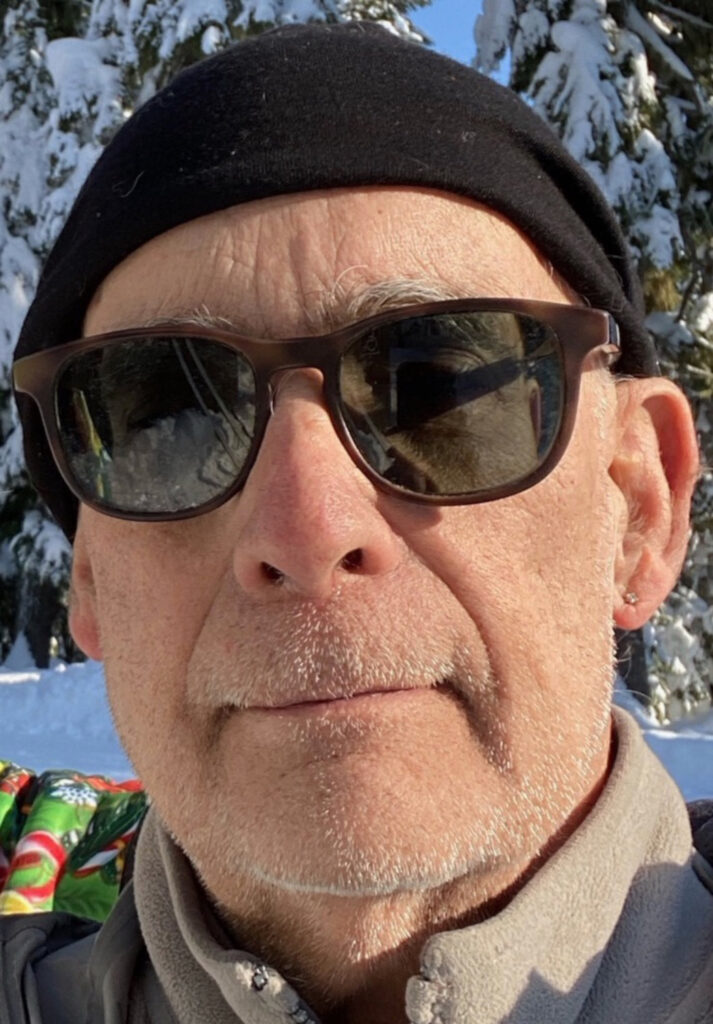
While my academic writing has been in the electric sector, I’m interested in how Ag., especially on-farm resource use, can address its role in the climate crisis. Right now I’m focused on oil and encaustic painting and printmaking. It’s true that art and science ‘produce’ very different products, their methods are quite similar. Both rely on analytics, insight and hunches. They both reflect the focus of the practitioner. Both rely on trial and error. In both fields, knowing what has come before plays a role in what comes next. What doesn’t work is at least as important as what does. At the same time, as Neil deGrasse Tyson notes, one key difference in that the scientist’s results must be repeatable while the artist’s product reflect the uniqueness of its practitioner. For my qualifications and experiences, please refer to my website and LinkedIn page.
Cristian A. Zaelzer-Perez Ph.D.
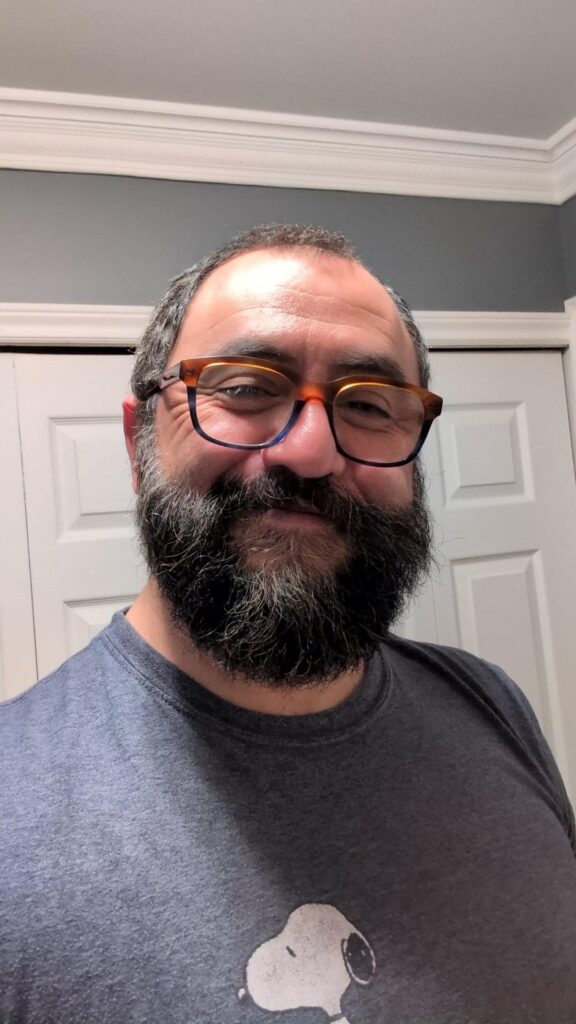
I am a Chilean-Canadian polymath (intermedia artist, neuroscientist, educator, engineer, graphic designer) who explores how scientific enquiry and its products have shaped, and continue to shape, society. Through artistic research, metaphor, and materiality, I integrate these notions to understand, critique, and challenge the relationship between humans and science, as well as the artificial separation from nature driven by technology as a byproduct of science. Using materials such as glass, paper, thread, sensors, wood, and laboratory machinery, he advocates for a reconnection with the tangible and a balanced view of science, understanding its place without disrespecting other ways of knowing. My current artistic practice can be summarize in three areas: 1) Otherness through the use and study of Infrared Radiation and detection as a new media for sciart and fine arts, as well as the mix of sensory technology, interaction, 3D printing, and materiality, 2) Steganography using genetic code, paper, embroidery, and glass beads, and 3) Jargon, exploring the history of use and abuse, benefits and disadvantages, using stained glass, painting, and paper.
Dr. Rebecca Chamberlain
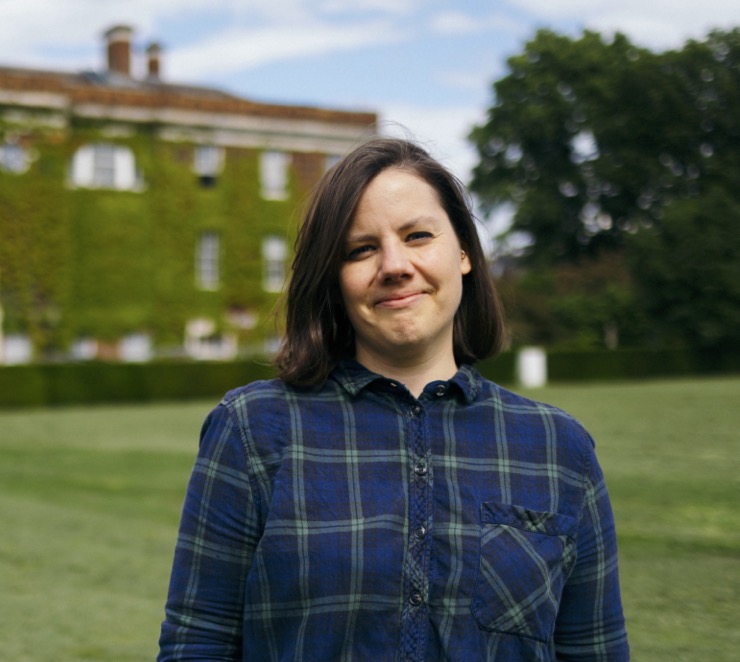
Rebecca’s research focuses on the psychology and neuroscience of the production and perception of visual art. She is particularly interested in the mechanisms by which artists acquire their expertise, and the impact of engagement with the visual arts can have on education and mental health. She is also interested in how individual differences in perception interact with learning and cognition.
Amy Young
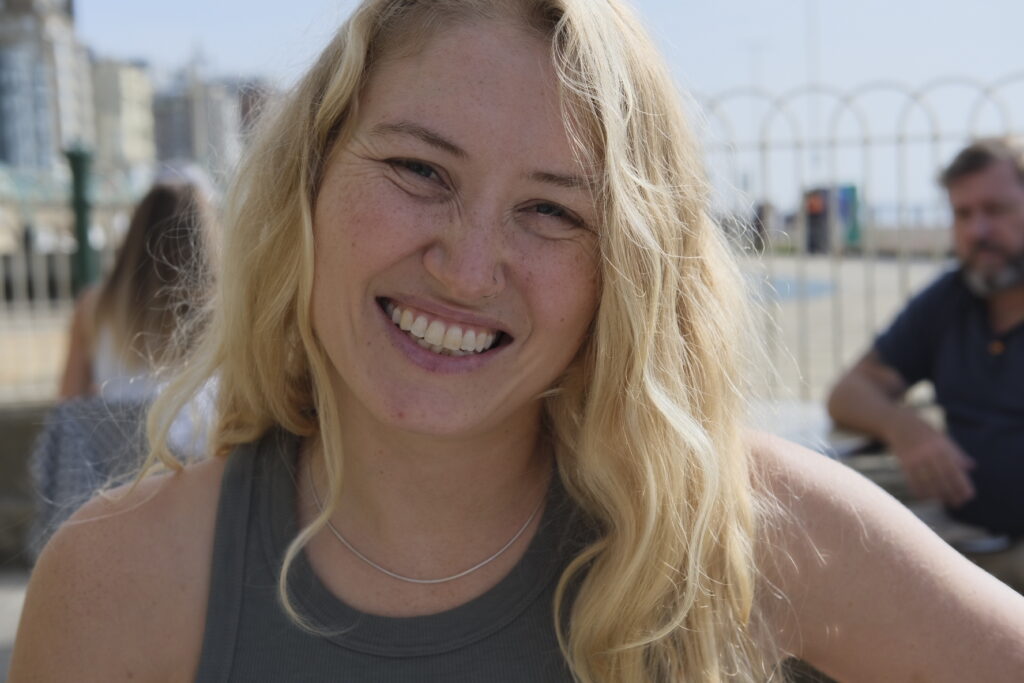
Amy has been involved in sharing scientific details of the natural world through art and performance for over 10 years. Her research passions lie in human spatial navigation, which a master’s in medical neuroscience studies only deepened. Her interest in facilitating citizen science has led to event planning in organisations such as UNESCO, Hacking Health Berlin, and educational theatres in the UK and Hong Kong. EDGE Neuroscience & Art events combine her research interests, fascination with the beauty of the nervous system, and passion for sharing neuroscientific concepts with all who will lend an ear! She works as a freelance neuroscience communication consultant, fusing creativity and design with scientific marketing and communication. EDGE, she aims to foster a community of creatives and enable the conception and production of artworks that inspire curiosity and understanding of neuroscientific topics.
Bekka Bjorke
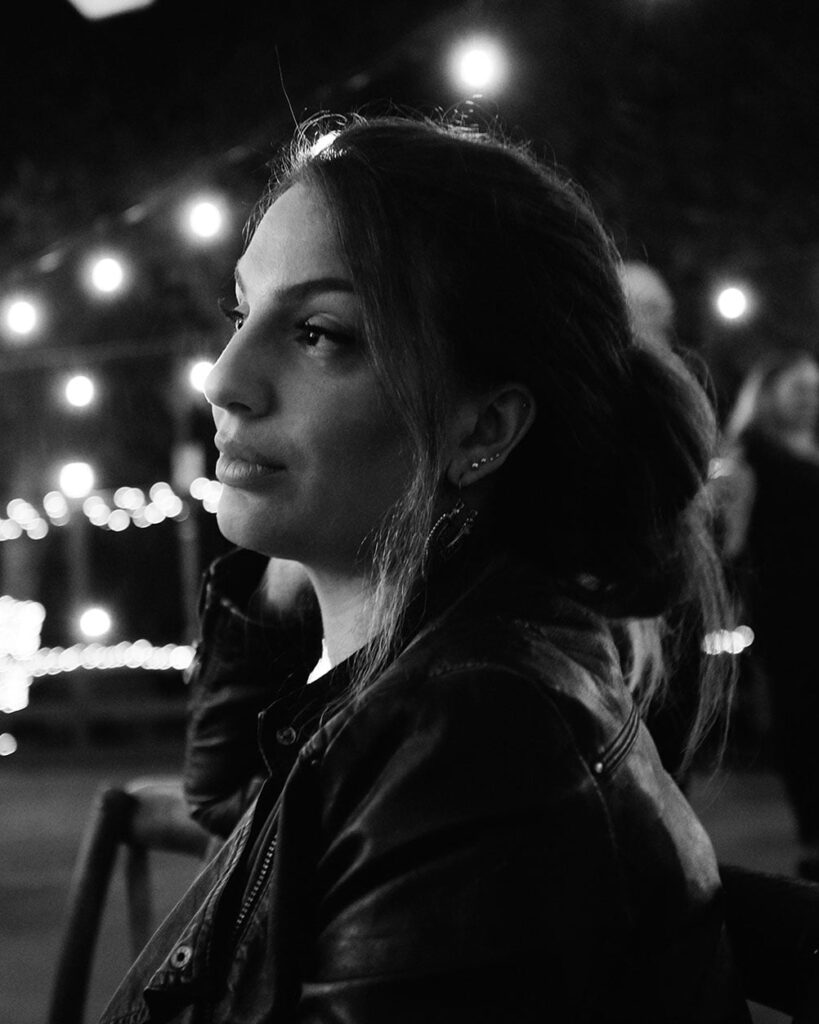
My professional life started behind a camera and a childhood longing to be a photojournalist, but that pursuit evolved, drifting away from the analogue lens and into 3D modeling, illustration, and concept design. This visual development work has largely emphasized folklore and creatures in culturally and ecologically grounded worlds, an exploration that landed me back in the classroom with the realization I’d been prodding the relationships between imagination, experience, and human history every step of the way. Now, as a student pursuing dual degrees in both neuroscience and anthropology, my research interests lie in the adaptive journey of creativity itself through the use of cross-cultural data, evolutionary perspective, comparative biology, and computational methods to understand how art shapes the way we think, helps us regulate emotion, strengthens social bonds, and offers us a way to find meaning amidst the mess.
Cat Lau
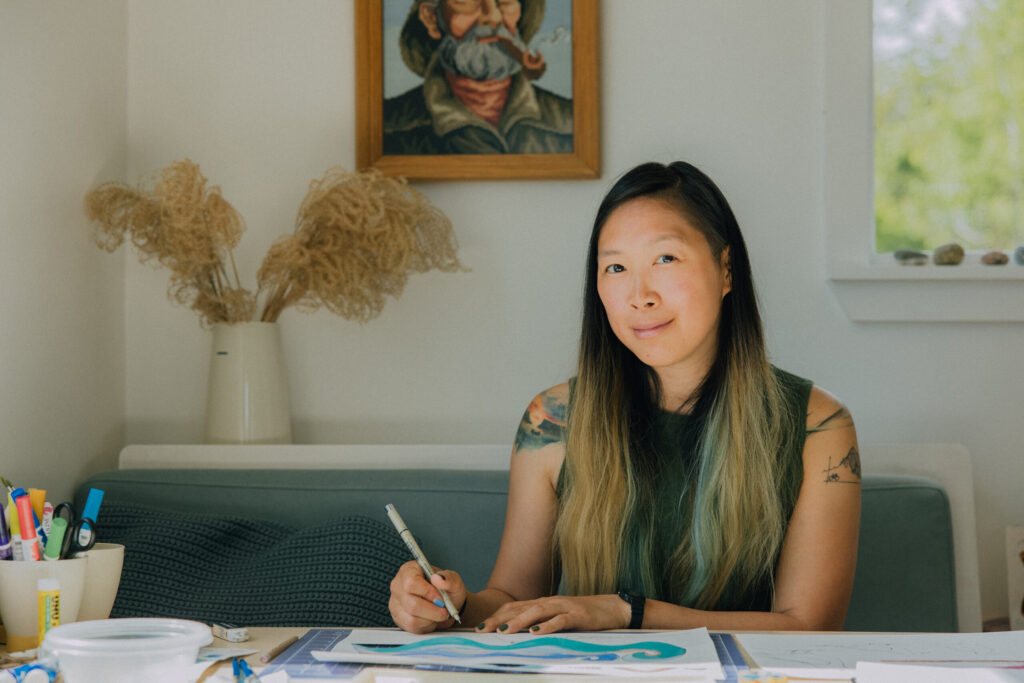
I am a freelancing visual science communicator collaborating with mental health /brain health researchers to design engaging digital media that reflects their data and knowledge. I have a background in behavioural neuroscience and science communication and worked within patient-oriented research networks with the goal of moving research to practice while centering on lived experience. I am a strong advocate for art and science collaborations and initiatives. I am a self-taught designer and illustrator who enjoys (digital) comic art as a means to tell stories. Sometimes, I dabble with cardboard and paint to create mixed media pieces.
Ms Tina L Hazell
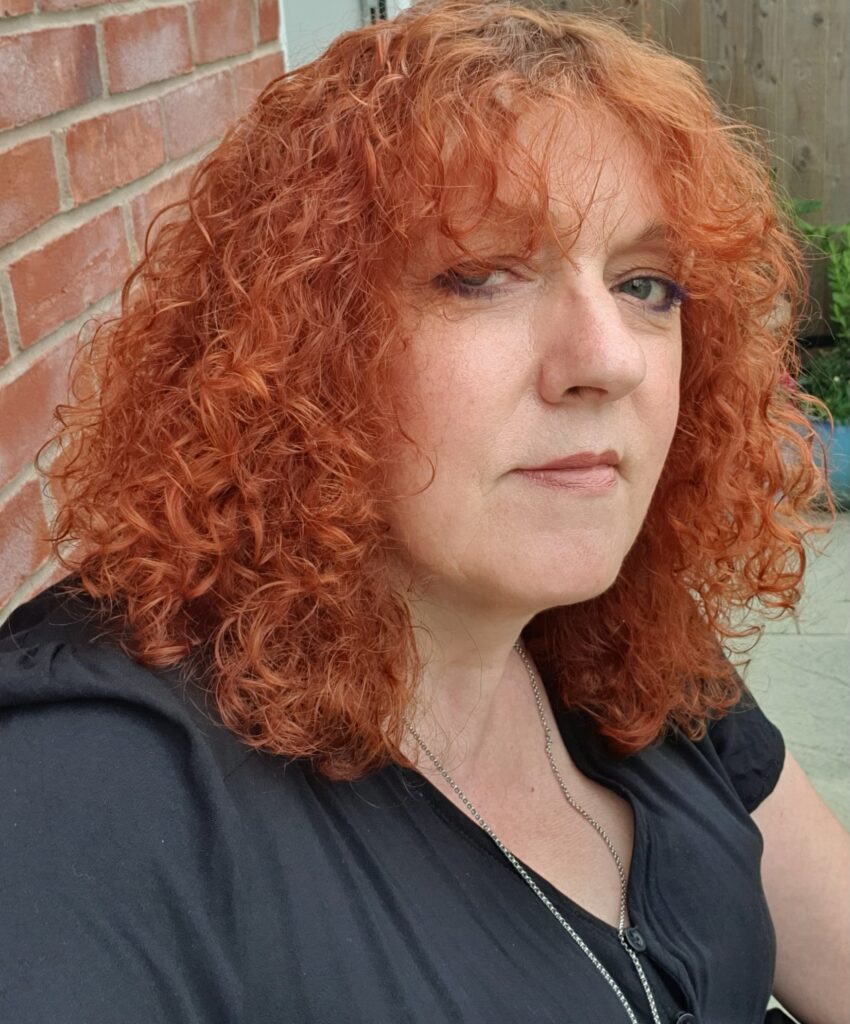
I have a BA and Master’s in Fine Art with a speciality in the semi-abstract reproduction of microscopic images of the brain and diseases. My aim is to give my final artistic pieces an organic loose hand-made quality, which, when viewed from a distance will provide the viewer a hint of the subject matter, but when seen close up the detail and textures reveal a unique perspective. I am continuing to express my interest of combining science and art imagery, but also the creation of pieces that enables me to experiment with various processes and abstraction.
Pr. Rubén Picó
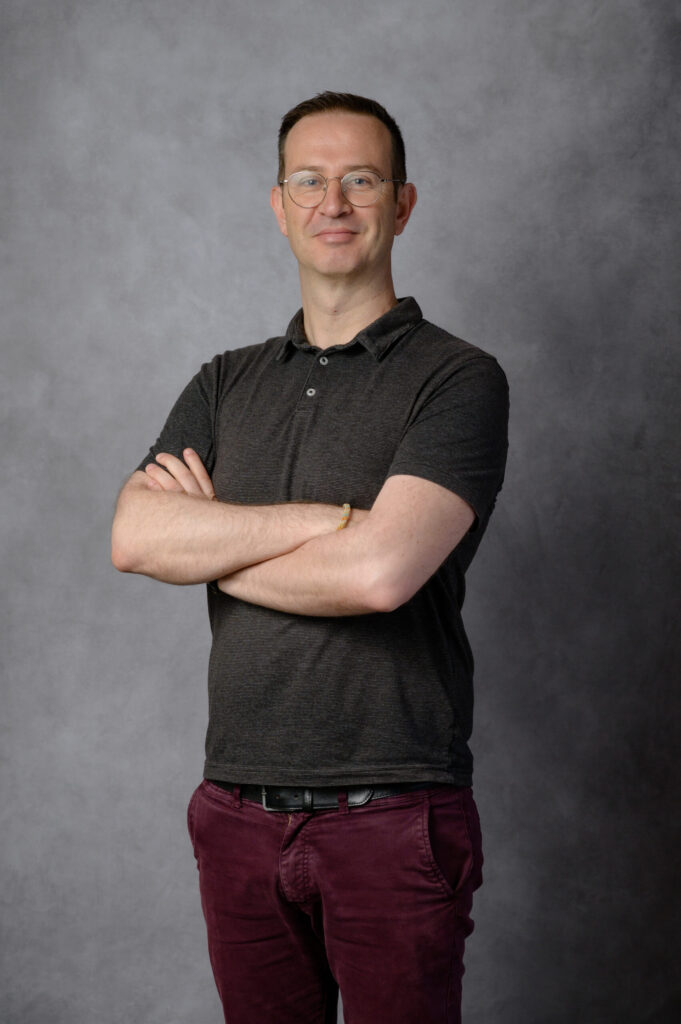
I am a researcher and university professor specialising in applied acoustics, with a strong focus on acoustic metamaterials, wave propagation, and musical acoustics. My work combines rigorous physical modelling, numerical simulation, and experimental analysis with a sustained interest in music, instrument making, and sound perception. I have led and participated in interdisciplinary research projects that bridge physics, engineering, and the arts, particularly in the study of acoustic media, resonant systems, and sound control. Alongside my research activity, I have extensive experience in teaching and educational innovation, including the design of interdisciplinary courses and workshops that integrate science, music, and craftsmanship, such as lutherie-focused initiatives. I am actively involved in scientific outreach and cultural dissemination of “music and science”, collaborating with conservatories, artists, and cultural institutions to make acoustic science accessible to diverse audiences. My profile is characterised by a commitment to interdisciplinarity, combining scientific excellence with artistic practice, pedagogy, and public engagement.
Dr. Dilek Ozgit Butler
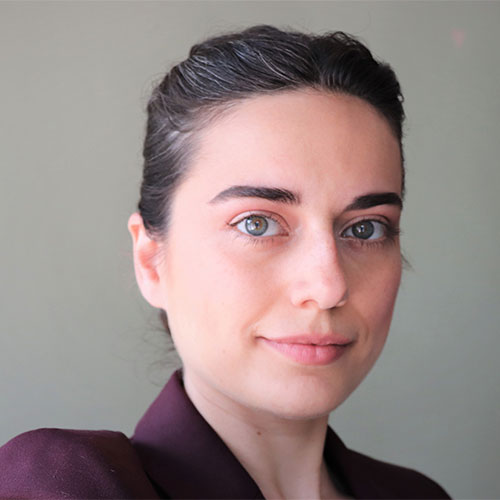
Dr. Dilek Özgit is an artist and scientist living and working in Cambridge. Born in Istanbul, she was introduced to painting early in life through her father, a painter and sculptor. With a background in science and engineering, Özgit has developed a distinctive abstract visual language that translates lived experience and emotion into structured geometric forms and vivid color fields. Her artistic process is intuitive and immediate, grounded in spontaneity and presence. Alongside her art practice, Özgit is the co-founder and Chief Scientific Officer of Zinergy UK Ltd., a company developing ultrathin, flexible, and environmentally responsible printed batteries for next-generation electronics and smart labels. Her work bridges creative expression and technological innovation, reflecting a commitment to sustainability and thoughtful design. She is a self-taught artist and was recently shortlisted for the Royal Academy of Arts Summer Exhibition.
Anna Lindemann
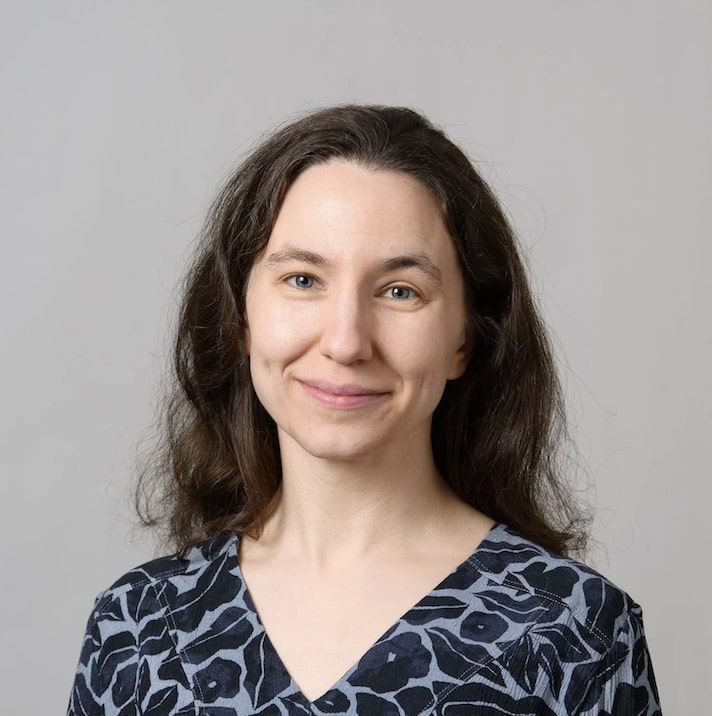
Anna Lindemann is an interdisciplinary artist whose practice merges art and biology through what she calls “Evo Devo Art,” inspired by evolutionary and developmental biology. Working with digital and stop-motion animation, video, performance, and live and electronic music, she visualizes biological processes while exploring the emotional and speculative dimensions of scientific research. Her projects investigate themes such as social evolution, mimicry, flight, and regeneration, translating complex biological ideas into poetic, accessible forms. Lindemann often animates scientific concepts using familiar materials—pasta, yarn, buttons, lace—to render unseen microscopic worlds tangible. Beyond content, biology also shapes her creative process: she develops algorithmic music and visuals modeled on biological growth and development. Blending rigorous research with elements of fantasy and narrative, her work invites audiences to rethink science as a deeply human endeavor. Lindemann’s projects have been presented across theaters, museums, planetariums, conferences, classrooms, and film festivals, reaching diverse scientific and public audiences.