Riley Fitzpatrick
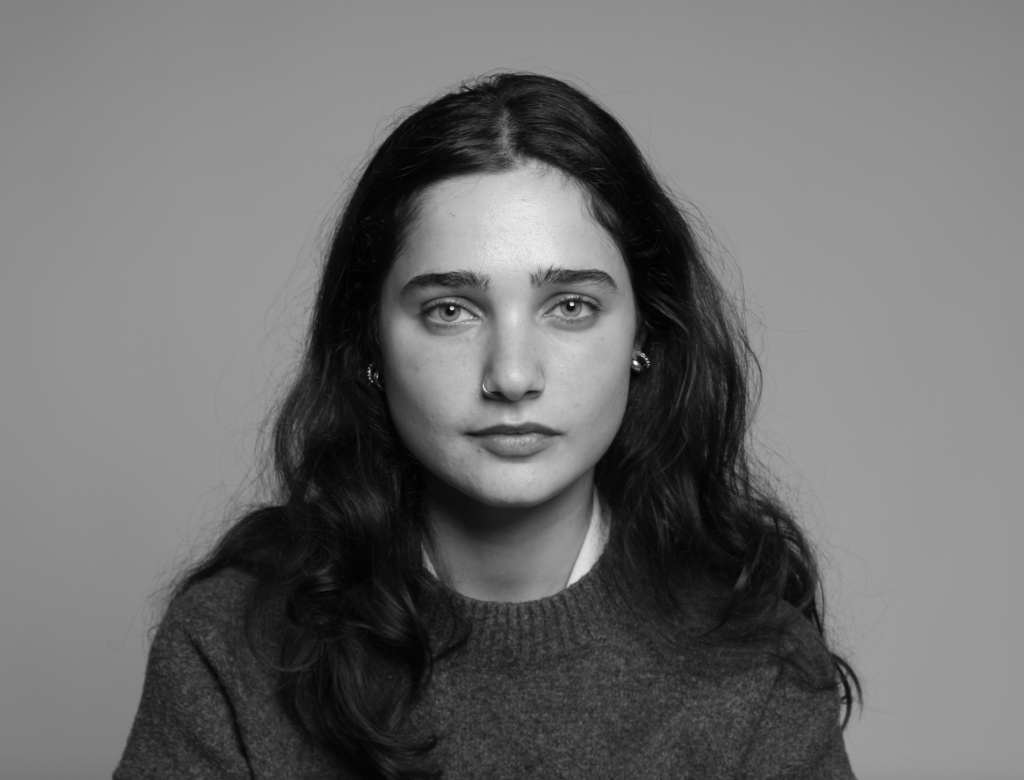
Riley Fitzpatrick is an artist and research assistant interested in exploring the intersection between the arts, neuroscience, well-being, and mindfulness. She is currently working in New York City as a research assistant through Brooklyn College exploring inspiration, religiosity, and creativity in relation to a range of psychological processes. Riley holds a B.A. in Neuroscience and Studio Art from the University of Vermont and will be attending Goldsmith’s, University of London beginning in September of 2026, where she will be a student in their MSc Psychology of the Arts, Neuroaesthetics, and Creativity program. At Goldsmith’s, she will continue to advance her research in the arts and neuroscience, seeking to understand the role of creativity and well-being across a multitude of communities and artistic practices. Outside of her scientific career, Riley is a trained artist, with her work heavily focused on painting techniques. She is trained in painting, drawing, ceramics, and photography.
Mika Gavish
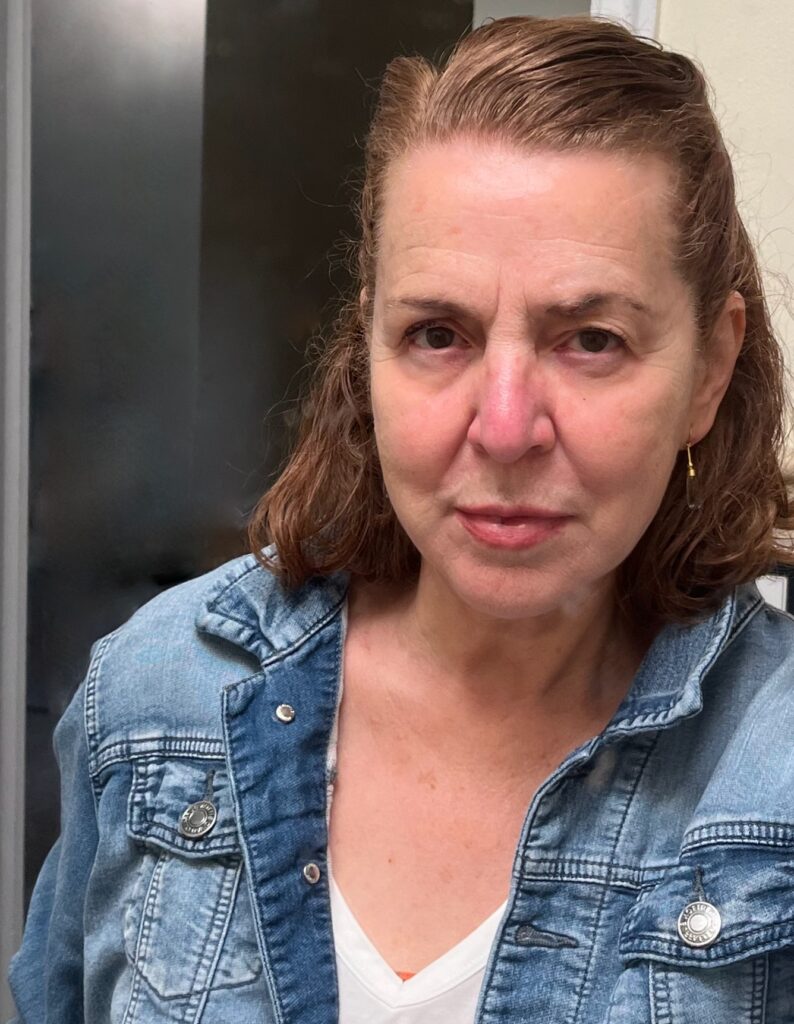
Suspended in adjacent sequences, continuous panels of painted fabric act as a field guide through magnified neurons based on 3D brain maps and electron microscopy imagery. With each step visitors take through Neuro Land, new aspects of these complex bio-architectures are revealed through the translucent material. These changes in viewpoint reflect the ever-shifting nature of neuroscience as well as the layered complexity that makes every brain fundamentally unique. For me, neurons, viruses, proteins, and crystals aren’t abstractions—they are figures, objects, and nano-scale landscapes. Using my background as a research scientist, my practice begins with studying scientific papers and imagery of specific neuronal systems. I then use collaborative or online scientific imagery of models and electron-microscope photos as my visual source. Adopting strong primary color schemes that are used by scientists, I paint these root-like colonies beginning with paper and scaling them up into my full-size installations. But scientific fidelity is only the beginning. Where the data ends, my own visual logic takes over — reorganizing, recoloring, rescaling — until these neuronal systems become something the microscope never intended: inhabited landscapes, figures with presence, worlds you can walk through.
Ayiana Viviana
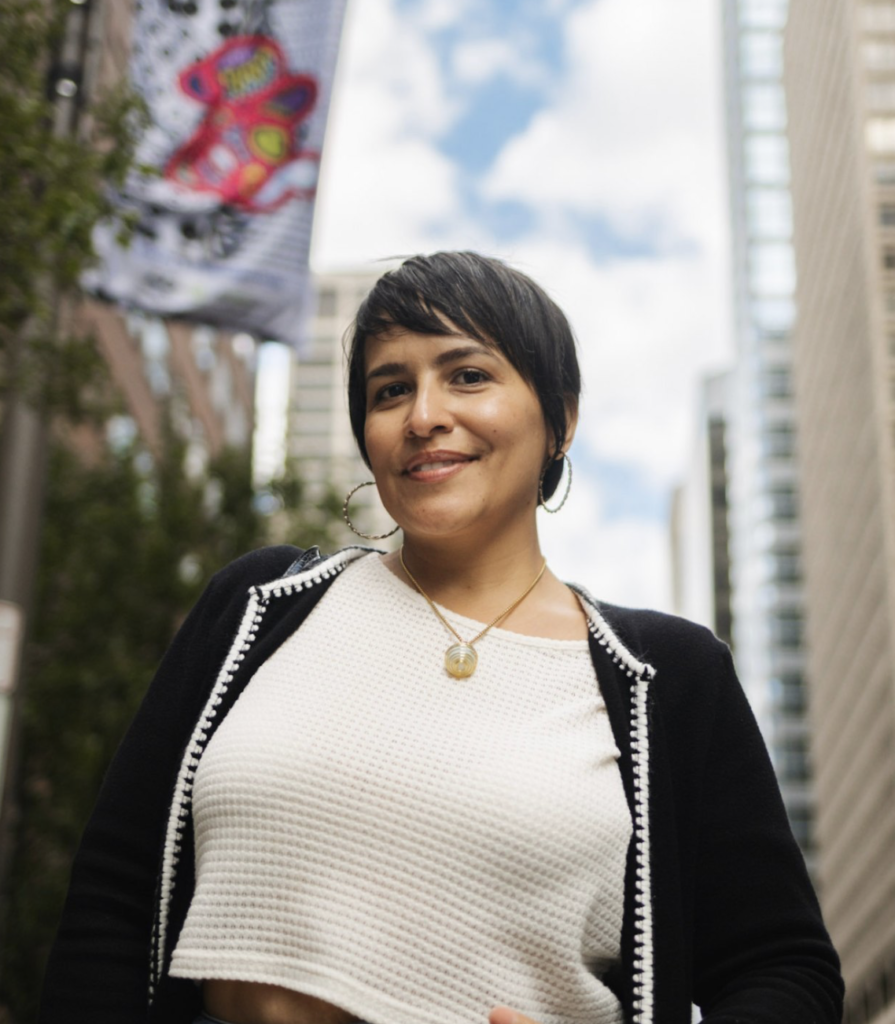
Ayiana Viviana is a Philadelphia based Latina visual artist, published writer, and creative facilitator whose work centers on personal transformation as well as ancestral and communal connection. Ayiana employs her artistic abilities of storytelling as a means to convey narratives of resilience, hope, love and forward growth. Ayiana believes exploring creative expression and human connection serve as healing conduits for anyone who is willing to dive into the freedom they provide. Ayiana hopes to inspire generations – old and new, to discover their own voice and power and how art can serve as a tool for emotional regulation and a keen sense of self awareness. She has collaborated with institutions such as the Philadelphia Horticultural Society, Mural Arts Philadelphia, the Tacony Lab Community Art Center, Comcast, Brown Style Magazine, The Philadelphia Art Museum, Vayner Media, the Free Library of Philadelphia and many others. Ayiana has exhibited with Da Vinci Art Alliance, A Community Art Gallery at the Marriott, iMPerFecT Gallery, Moody Jones Gallery, No Name Gallery, The Village of Arts and Humanity as well as the Duke Gallery at Wallingford Arts Center.
Dr. Anne Blaich
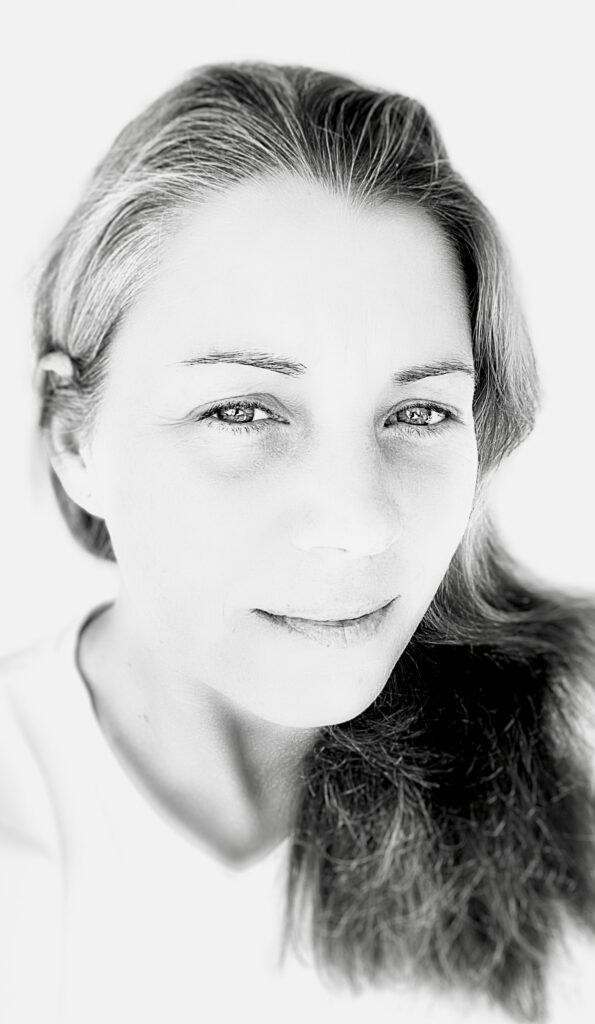
I am an artist, and I am a scientist. When I left school, I first studied biology. Ten years, a Dr. title and a couple scientific publications later, I started my art career. I was trained by the photographer Eberhard Gronau for three years. And I took courses in illustration in Vienna. Today I combining both fields, science and art. Why do I combine scinece and art? Central to my approach is the deliberate use of neuroscientific insights. Every visual element—color, form, contrast, pattern—is intentionally selected to stimulate the viewer’s neural activity and evoke emotional resonance. The scientific foundation of these decisions is an integral part of my artistic language: studies on the impact of strong contrasts, the emotion-producing effect of dots and patterns, and the brain’s particular sensitivity to the depiction of human faces all shape the composition of my works. For this reason, many of my pieces feature human figures. Their presence is not driven by narrative intentions but by their proven ability to enhance attention, empathy, and emotional response in the brain. Even the seemingly abstract design elements —strong contrasts and recurring dot structures—serve less as narrative content and more as tools of neuroaesthetic impact. For the content of my picturesthe emotions and thoughts of the viewer are central. My artworks are not meant to tell my story or thoughts first, but to create space for the stories of those who encounter them. The titles of my image series serve as quiet invitations, encouraging the viewer to uncover a meaning in the image that is uniquely their own. My intention is to offer open structures that invite interpretation and emotional engagement, allowing each viewer to find their own meaning within the work.
Mouli Mehrotra
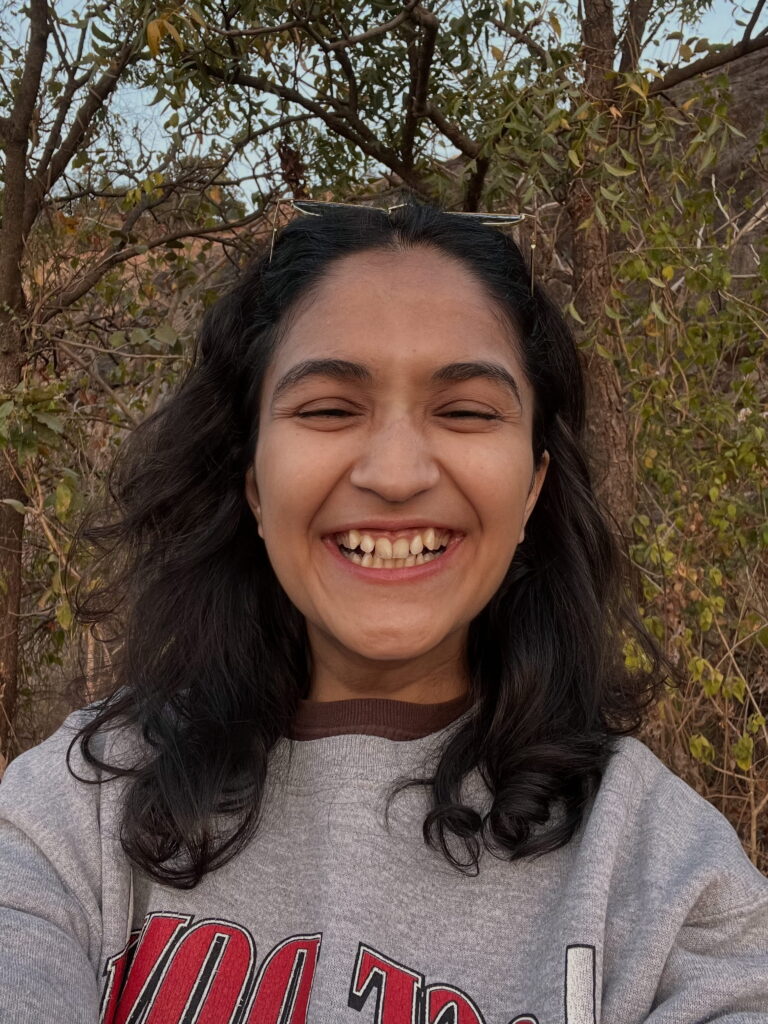
About me! Hi, I’m Mouli Mehrotra, a visual artist and a social reformer. I use art as a medium to talk about nature, and create interventions to encourage the conversation of coexistence in today’s world. Combining my experience of art, activism and advocacy, I’m currently researching on the front of archiving and documenting the representation of nature, and using the study to create curriculums and interventions
Dr. Samantha Lish
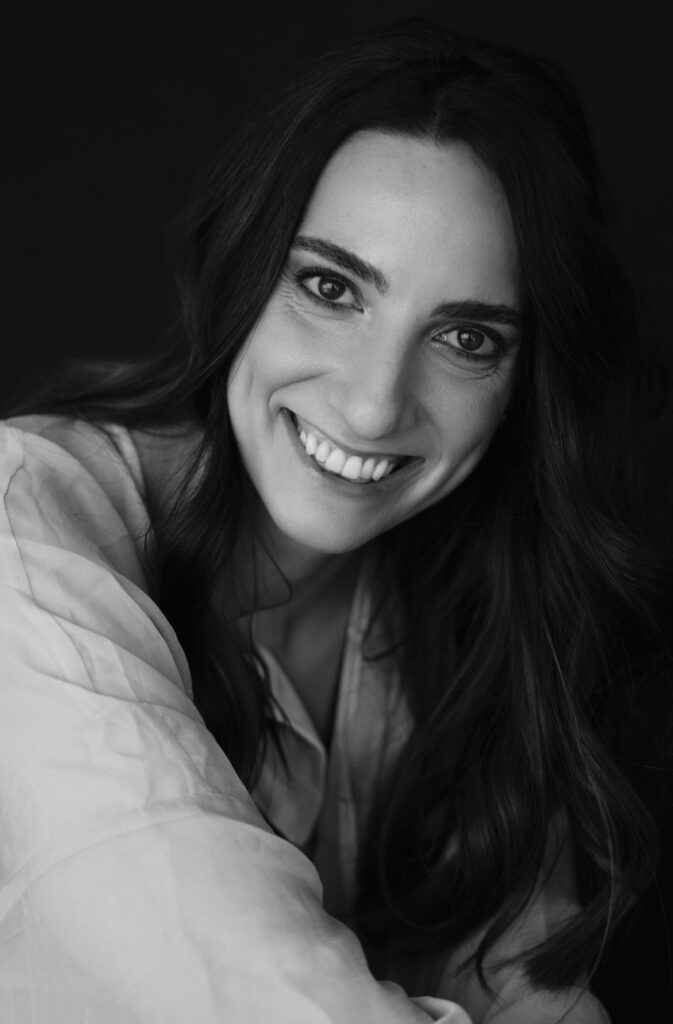
At the core of my work—both scientific and artistic—is a central theme: the emergence of ordered patterns from seeming chaos. As a theoretical biophysicist, my research focuses on collective behavior in non-equilibrium systems, using computational models to understand how structure arises from abstract rules and physical constraints. My doctoral work examined multicellular life organizing from interacting populations, reframing the embryo as an active matter system and applying tools from statistical physics to embryology. My Postdoctoral examines what happens when the same organizing logic breaks down, extending this framework to probe the intersection of embryogenesis and cancer metastasis – when division goes wrong. This kind of interdisciplinary research requiring coordination across scientific fields to generate insights that neither discipline could achieve independently. As a visual artist, I explore analogous questions through material, form, and image, working in collage and assemblage, piecing together fragments of a whole: internal gears, textual excerpts, or symbolic geometries that gesture toward larger systems. Art and science, share a commitment to questioning assumptions, refining approximations, and embracing uncertainty. In both domains, discovery is iterative: systems are broken apart, examined, and recombined to reveal hidden patterns. Across all my work, whether modeling organoid self-organization, coding interactive simulations, or creating artwork, I am guided by the principle that problem-solving through multiple modalities can advance society. This perspective developed from a longstanding curiosity about integrating visual and conceptual thinking. As an undergraduate at the Macaulay Honors College at CUNY Hunter, I studied studio art alongside physics and mathematics; as a D.Phil. student in the NIH–Oxford–Cambridge Scholars Program, I spearheaded a collaboration between my mentors in theoretical physics and biomedical optics; and as a postdoctoral researcher at the Technion – Institute of Technology, I was recruited to work on a project spanning the departments of physics and medicine. Over time, I came to see interdisciplinarity not as a stylistic choice but as a methodological imperative: meaningful innovation often arises at the intersections of frameworks. Whether in the laboratory, the studio, or the classroom, I am committed to fostering spaces in which curiosity, creativity, and analytical thinking mutually inform one another, an approach essential for addressing the complex scientific, cultural, and societal challenges of our time.
Dr. Sarah Shakil
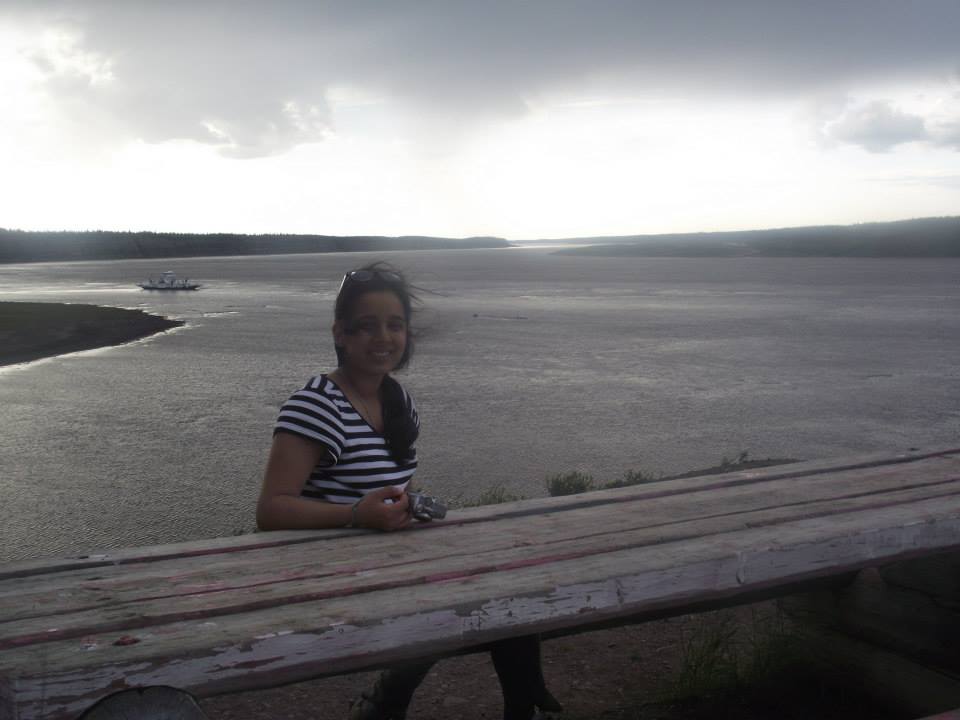
My name is Sarah Shakil (pronounced sah-rah shah-kee-l). I conduct research in the Environmental Sciences, usually with a focus in biogeochemistry and aquatic ecology. My work stems from an interest in connections between chemical, geological, and biological processes that guide the composition of the natural environment with a particular interest in the role that water plays in facilitating these connections and creating an environment within itself. My training is specifically in biogeochemistry (biology + geology + chemistry), ecology, limnology, and the cryosphere (frozen part of the Earth system). I hope that by studying these processes we can better understand our relationship with our environment and how these systems respond to local and global change. Through my grade school and high school years I practiced visual arts, primarily in the medium of sketching and charcoal drawings. I developed a portfolio that lead me to a summer at the Cranbrook Summer Art Institute to explore multi-media and 3D art. I believe these practices of imagination helped me visualize the complex invisible systems of biogeochemical cycles. My practice of the visual arts was on hold during my BSc and PhD degree where I focused heavily on the sciences. Near the end of my PhD I returned to artistic practices through theatre that’s led to me performing and helping produce several theatre productions open to the local community and this has stemmed from a desire to help explore an approach to storytelling and meaning-making that differs from, and I believe can complement/amplify, scientific exploration. I am at the very beginning of my Art-Science journey and trying to figure out how to develop a sustainable way of practicing. I am very open to discussions of ideas and I am interested in how Art Science and Policy can intersect to imagine new futures and solutions.
Dr. Patricia Izbicki
I am a neuroscientist and music therapist in training whose work sits at the intersection of brain science, music, and clinical application. My research focuses on how music-based interventions support cognition, emotional processing, and social connection in neurodegenerative conditions, particularly Alzheimer’s disease and Parkinson’s disease. I currently co-lead a community-based choral intervention study funded through the Renée Fleming Neuroarts Initiative, integrating behavioral and cognitive outcomes. My background spans academic research, medical affairs in biotech, and clinical training, allowing me to translate neuroscience into scalable, evidence-based programs that bridge research, healthcare, and the arts.
Dr. Catherine Sarah Young
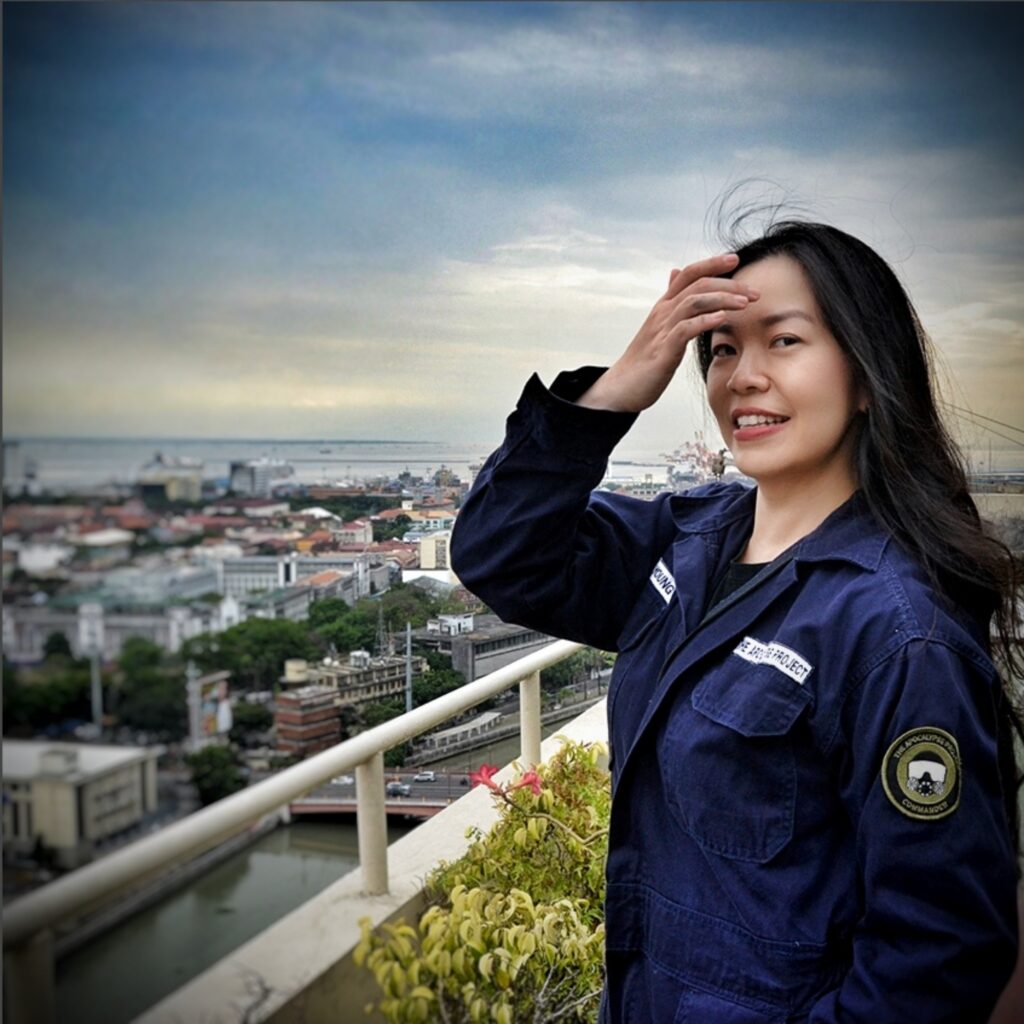
Catherine is an interdisciplinary artist, writer, and educator born in Manila, Philippines. She has lived in ten countries, and holds a PhD in Art, Design and Media from UNSW Sydney where she now teaches. Catherine draws on her background in molecular biology, fine art, and interaction design to create multimedia and experimental artworks that explore planetary systems and environmental issues. Using empathy and play in her work, she seeks to convey ideas coherently and inspire a change in mindset and behaviour. Her work has been exhibited and published internationally, including the 10th Tashkent Biennale and the Are You Ready? exhibition organized by the UN Office for Disaster Risk Reduction. She is a Fulbright Scholar, an Obama Leader for Asia-Pacific, and a recipient of the Philippines’ 13 Artists Award. Catherine has also been recognized by ArtReview Asia, the Australian Broadcasting Corporation, and Earth.org for her contributions to art, research, and climate advocacy.
Dr. Katharine A. Owens
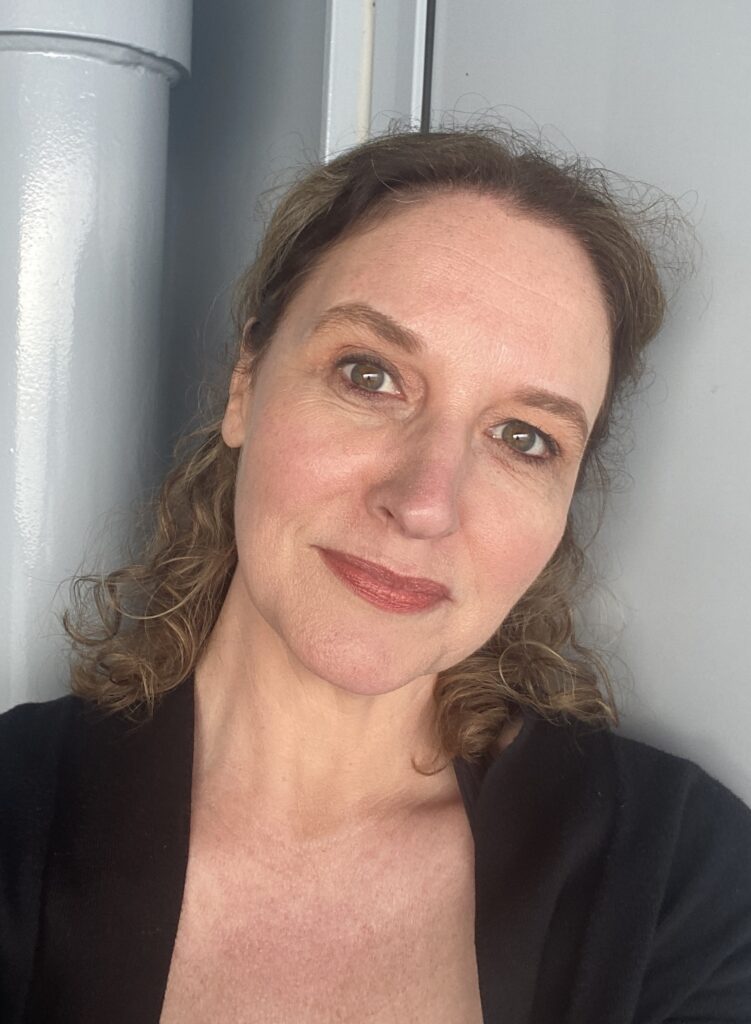
I’m a National Geographic Explorer and Fulbright Scholar who researches plastic pollution globally and makes art communicating environmental research to the public.