Andy Evans
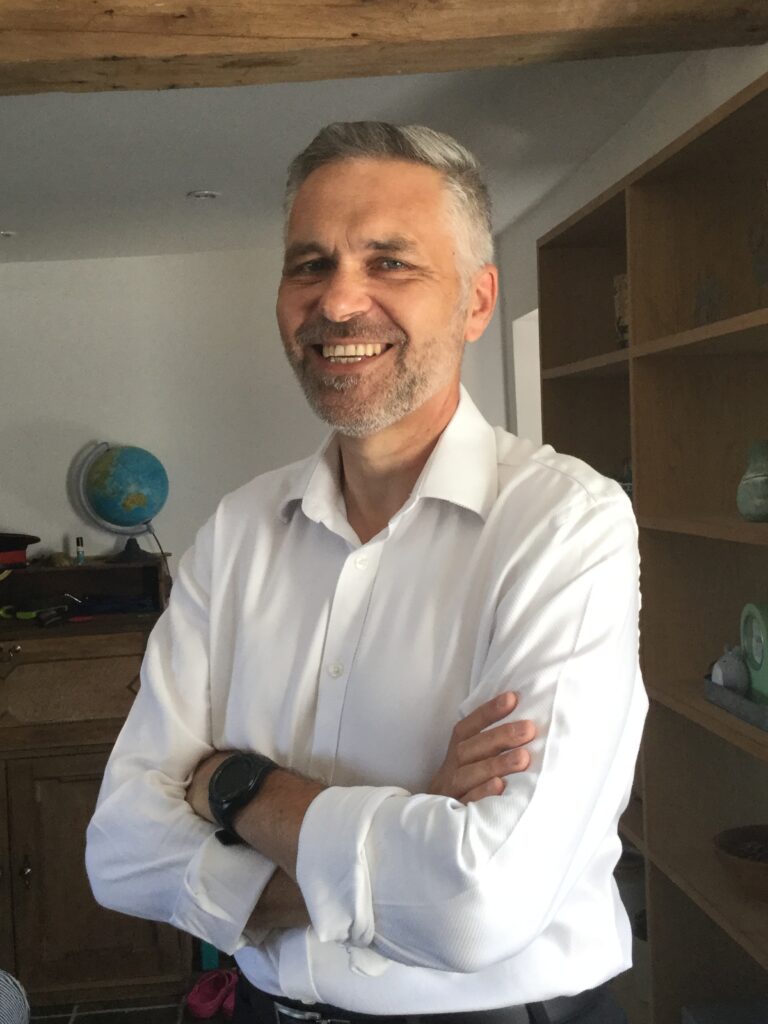
I’m an Aerospace Engineer turned Artist, with a wild curiosity for physics. My practice explores the hidden forces that shape reality — from quantum particles to astronomical events — and translates them into emotional, tactile form. I work across scales where human intuition falters, using art to reveal the behaviours, tensions, and resonances that structure the universe. At the smallest scales, I’m drawn to quantum and nanophotonic phenomena: interactions that are relational, indeterminate, and always in motion. These become sculptural languages — field objects, photon maquettes, and material experiments that echo the way matter behaves before it becomes visible. At the largest scales, I look to cosmic events and gravitational architectures, where awe and vulnerability coexist. The micro and macro mirror each other, and I treat that mirroring as a site of meaning. Ultimately, my work is an inquiry into how forces become forms, how the invisible becomes perceptible, and how the universe expresses itself through scale. Each piece is a negotiation between the human body and the non-human cosmos — a way of standing inside the vastness and listening for its emotional charge.
Todd Siler
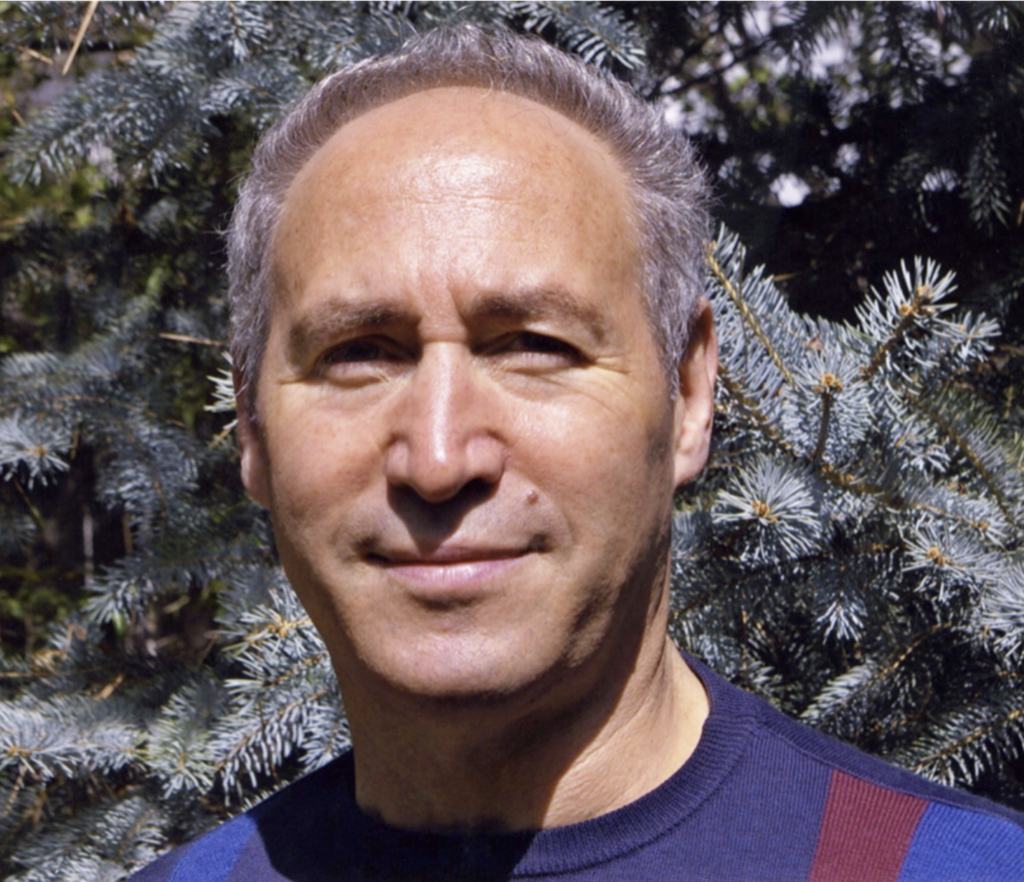
Todd Siler is a multimedia artist who received a Ph.D. in Interdisciplinary Studies in Psychology and Art from the Massachusetts Institute of Technology; in 1986, he became the first visual artist to be awarded a doctorate from M.I.T. He was a Research Affiliate at M.I.T.’s Center for Advanced Visual Studies (1981-83); a Visiting Artist/Scientist at the Computer-Aided Design Lab in the Department of Mechanical Engineering (1986-88 & 1991); an International Advisory Board Member for the World Knowledge Forum in Seoul, Korea, as well as a Forum Fellow of the 1999 and 2001 Annual Meetings of the World Economic Forum in Davos, Switzerland. Siler’s published works include Breaking the Mind Barrier (Simon & Schuster, 1990; Touchstone Books, 1997) and Think Like A Genius (Bantam Books, 1996; Penguin Random House, 2017); both books have been translated into many foreign languages. Breaking the Mind Barrier was nominated for the 1994 University of Louisville Grawemeyer Award in Education for “a work of outstanding educational achievement with potential for worldwide impact.” In the early 1990s, Siler founded The ArtScience® Program for Realizing Human Potential (aka, Think Like a Genius® Program) to cultivate creativity, inspire innovative thinking and collaborative learning in diverse people and organizations, addressing real-world challenges.rrier (Simon & Schuster, 1990) and Think Like A Genius (Bantam Books, 1996). The World Cultural Council awarded Todd Siler the 2011 “Leonardo da Vinci” WORLD AWARD OF ARTS.
Dr. Fumiko Futamura

Dr. Fumiko Futamura is a Professor of Mathematics at Southwestern University. She earned her M.S. and Ph.D. from Vanderbilt University in 2007 and B.A. from the University of Louisville in 2002. She spends much of her free time creating artwork primarily in charcoal, chalk pastel pencils, oils and crochet, as well as exploring the wealth of connections between mathematics and art. She shares this interdisciplinary passion with her students in classes like Geometry and Explorations in Mathematics, empowering and engaging them through hands-on activities and active learning, as well as with the public through lectures and workshops at venues such as the Japan America Society of Greater Austin, the Blanton Museum of Art, NerdNite, the Phi Beta Kappa honors society and the Thinkery. She is the author of a TED-Ed video, The Mathematics of Sidewalk Illusions and the co-author of the inquiry-based learning textbook Perspective and Projective Geometry, which won the 2026 Daniel Solow Author’s Award.
Dr. Eliza Wolfson
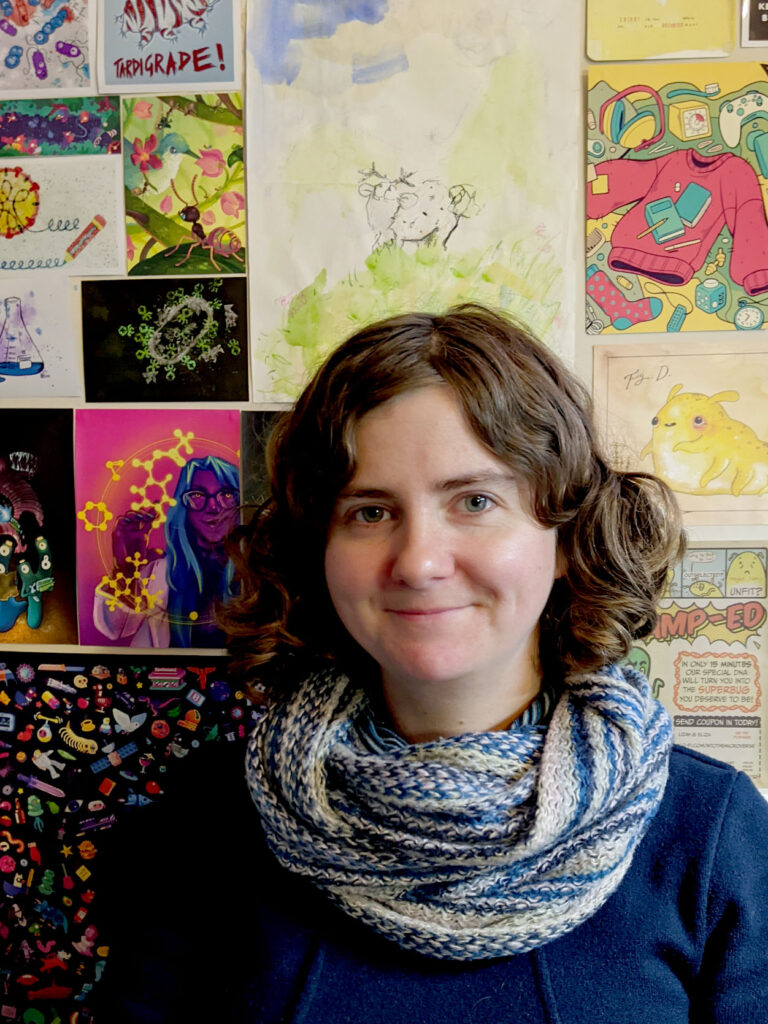
Eliza Wolfson is a scientific illustrator and microbiologist based in Bristol, UK. From the little furry monsters bouncing around inside her head to the bacteria travelling through her gut, she most loves making the invisible become visible with science-art. Eliza’s sci-art has been used to span all scales of time and space – from millions of years of evolution, to a million miles in an instant, every day is a school day. She has spent over a decade helping scientists from all over the world share their stories in figures, cartoons, games, concept art, comics and workshops. Eliza has a BSc(HONS) in biological sciences and a PhD in microbiology from the University of Edinburgh. Eliza has undertaken 3 postdocs and has 8 years of wet lab experience and more than 10 years of full time illustration experience.
Dr Alizée Armet
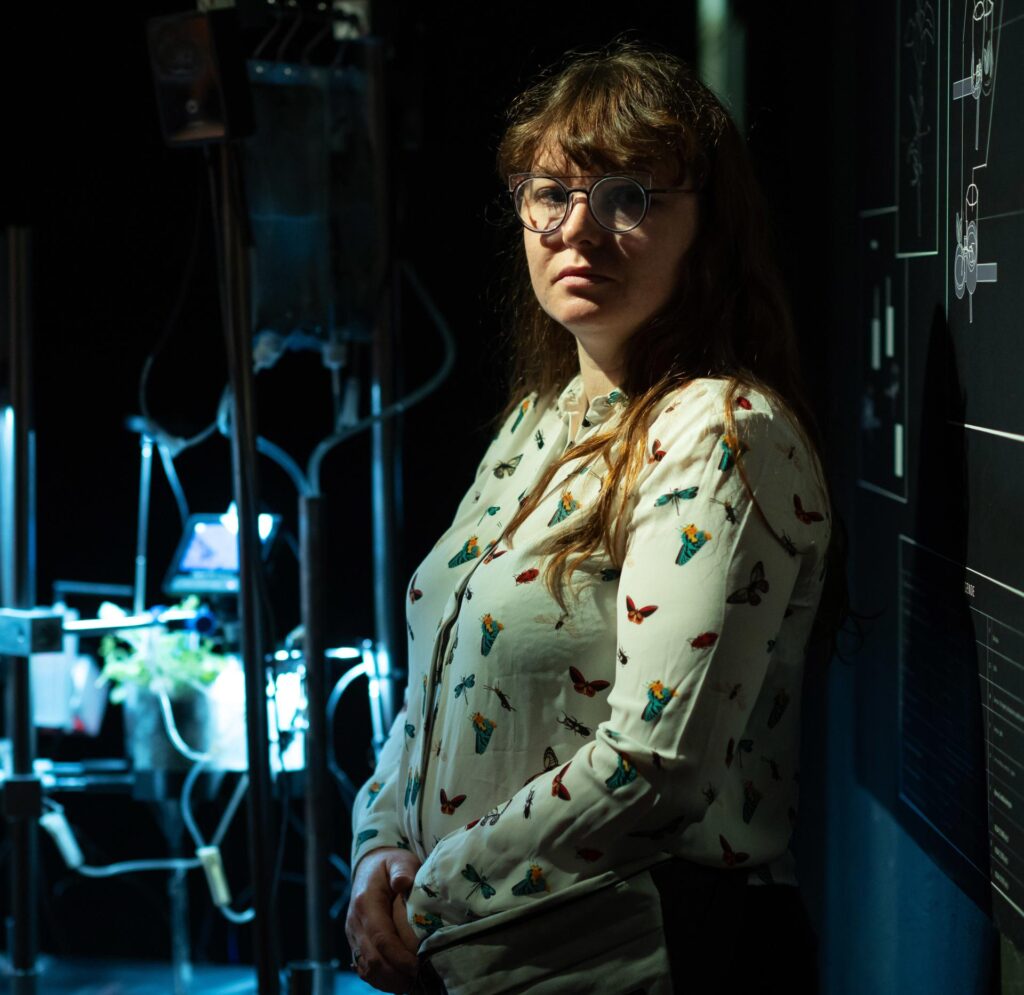
Alizée Armet (1991, Bayonne) lives and works between Bilbao (Spain) and Bayonne (France). An artist-researcher who creates hybrid installations at the intersection of plastic, technology, and biology, she is also a researcher, having obtained her PhD in “Art and Technology” from the University of the Basque Country in 2021. Demystifying the myth of singularity, her practice integrates computation, 3D objects, and organic materials.
Lolo Ostia
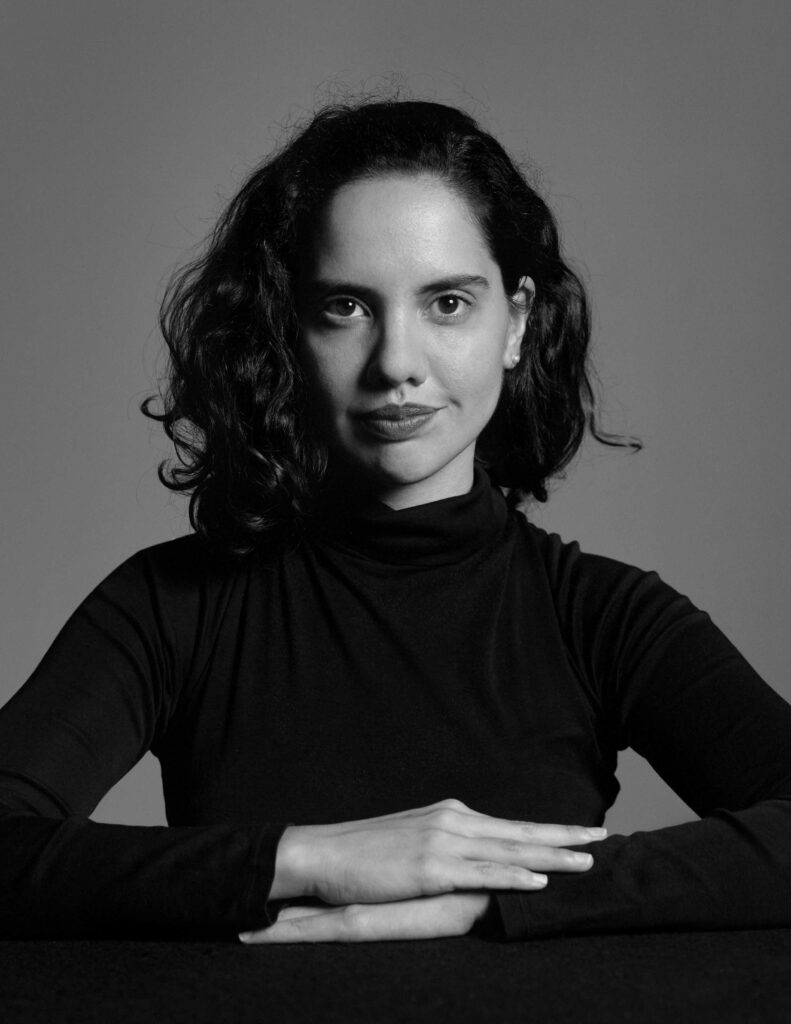
Rooted in spatial design and photography, Ostia’s practice moves across lens-based work, light, and sculptural form — revealing the dialogue between living systems and the designed world, where luminescence and decay become languages of their own. She cultivates living organisms as collaborators, like algae and bacterial cellulose, examining how microbial growth resists, asserts, and transforms. Her commitment to education took root over a decade ago at the International Center of Photography, where she once composed frames, she now proposes conditions: environments in which the work is never fully hers to author. This shift — from controlling an image to entering into dialogue with living systems — sits at the core of her research into interspecies communication and the friction between man-made and microbial growth. She has collaborated with scientists and has authored a paper on Biodesign Education published by Cambridge University Press. She is the inaugural recipient of the Marco Castro Cosio Media, Art and Technology Fellowship from Columbia University. Her artworks has been exhibited internationally, at museums, art fairs, and experimental film screenings across China, Cuba, France, Italy, Peru, Russia, and the United States.
Rachel Jag
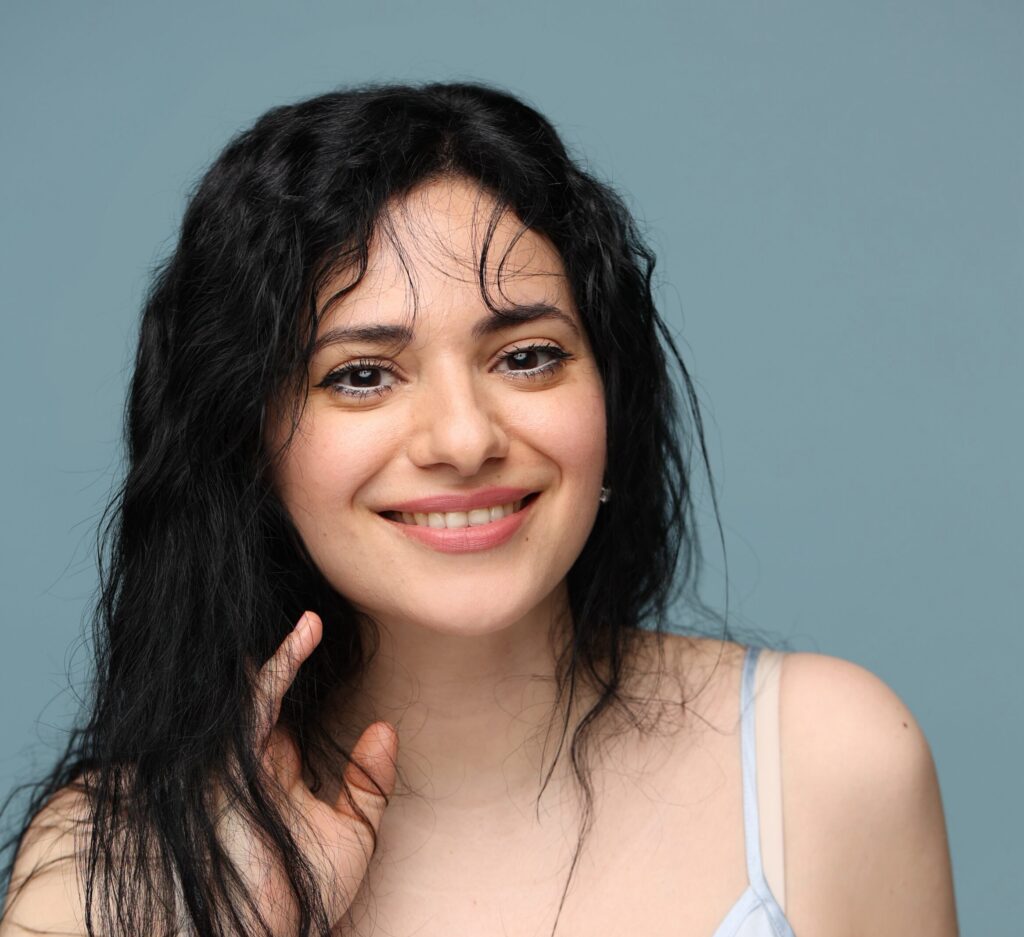
Rachel Jag works at the intersection of art, science and technology. She captures subtle forces of energetic fields emotionally and translates them into living visual forms. In her works, energy is felt, while frequencies, become motion, sound, and space, creating experiences that reveal the hidden rhythms from unknown sources. By perceiving and drawing an inner rhythm to then turning data into experience, she invites everyone to wonder, question, and play with the systems that shape our world. “My artwork is never about what ‘I’ want to see, more importantly it is about what is being shown to me and what comes through me. When it’s done, I just put it away, I don’t look for any single ‘interpretation’ or ‘message’, or some sort of translation into words.”
Jeff Tao, PhD
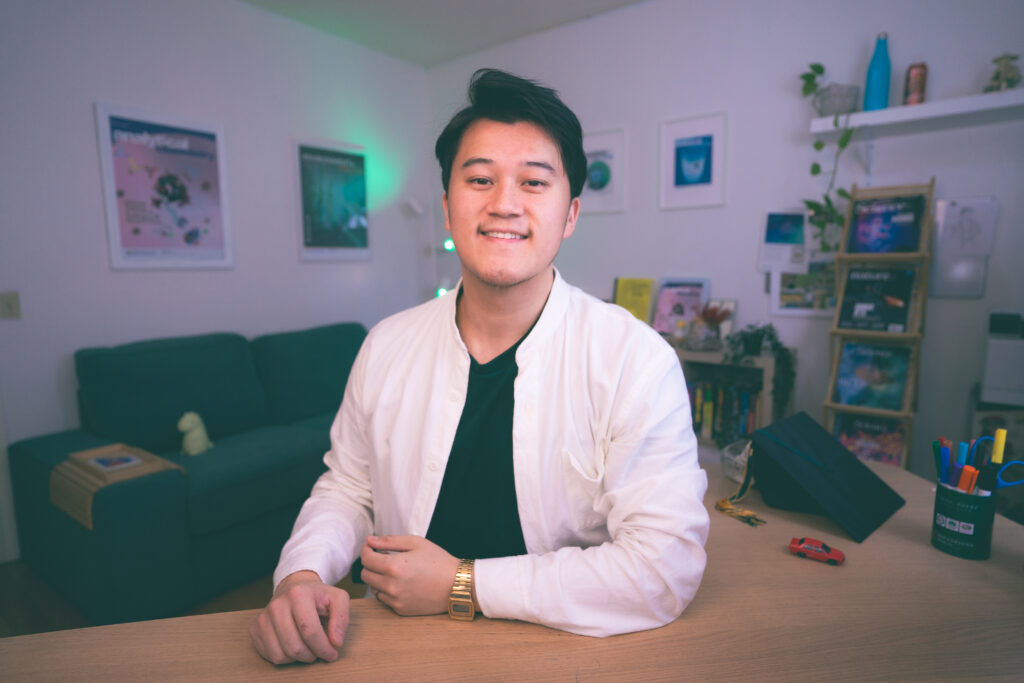
Hello! I have a PhD in Laboratory Medicine and am currently a cover illustrator for science journals. My research focused on developing DNA nanomachines for targeted cancer therapies. I hope you find my portfolio matches the style of art expression you’re looking for for your research!
Dr. H. DRAME
My artistic and research practice explores the intersection of visual arts, literature, science, and intercultural dialogue. Drawing on both scientific and creative perspectives, I am interested in themes such as symmetry, human experience, spirituality, social transformation, and the relationship between art and contemporary society. I integrate scientific reflection, structure, and experimentation into my creative practice, contributing to innovative approaches that connect art, literature, and human experience.
Dr. Einat Amir-Ahola
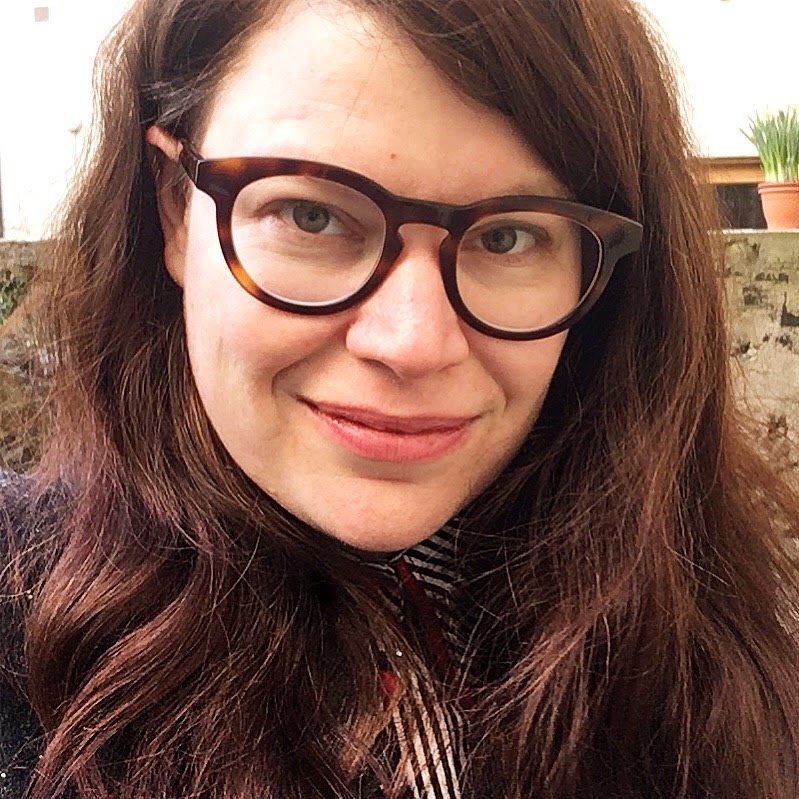
Einat Amir – Ahola is a researcher, artist, and educator. She earned her doctoral degree from the Department of Art & Media and the Department of Neuroscience & Biomedical Engineering at Aalto University, Finland. She received her MFA in Visual Arts from Columbia University, NY. She is currently based in Finland. Amir’s artworks are in the media of video installations and live performances synthesized with scientific experiments in social psychology and neuroscience. Her art practice is an exploration of human interactions that examine emotional, social and political aspects of everyday communication between individuals and groups. In her research she focuses on methodologies of collaboration between artists and scientists, proposing an innovative practice, in which both parties are equal forces, allowing themselves and each other the liberties to experiment outside their discipline. Amir’s research and art-science collaborations aim to contribute to social change through finding new solution for societal issues. Amir’s artworks has been shown at; MOMA PS1 New York, PERFORMA13 New York, Manifesta 12 Palermo, Palais De Tokyo Paris, MAXXI National Museum of Rome, Istanbul Museum of Modern Art Turkey, NGV Triennial in Melbourne, The 6th Thessaloniki Biennale, Whitechapel Gallery London, The Kitchen New York, Museum of Contemporary Art in Roskilde, Bergen Kunsthall Norway, Dallas Contemporary Art Center Texas, Tel Aviv Museum Israel, The Israel Museum, Fondation D’entreprise Ricard Paris, and Lilith Performance Studio Malmö, among other venues. Her academic research has been published in several academic publications including Nature Communications and Leonardo Journal. She is currently working on a book.