Eric Fong
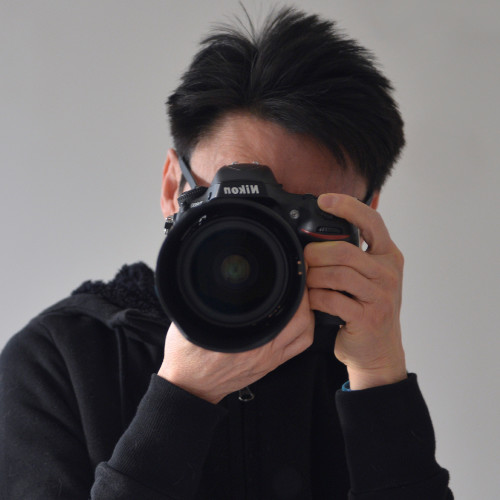
Eric Fong is an interdisciplinary artist whose practice sits at the intersection of art, science, and medicine, shaped by his former career as a medical doctor. Working across photography, film, sculpture, and installation, his research-driven approach often involves close collaboration with specialists and communities. Fong’s work addresses themes such as mental illness, disfigurement, blindness, forensics, and the phantom limb phenomenon, combining clinical insight with empathetic observation. Recent projects examine Victorian asylum archives and abandoned burial sites, as well as forensic anthropology and crime scene investigation, resulting in haunting works that explore absence, loss, and entropy. His work has been exhibited widely across the UK and internationally and is held in public and private collections.
Elena Soterakis
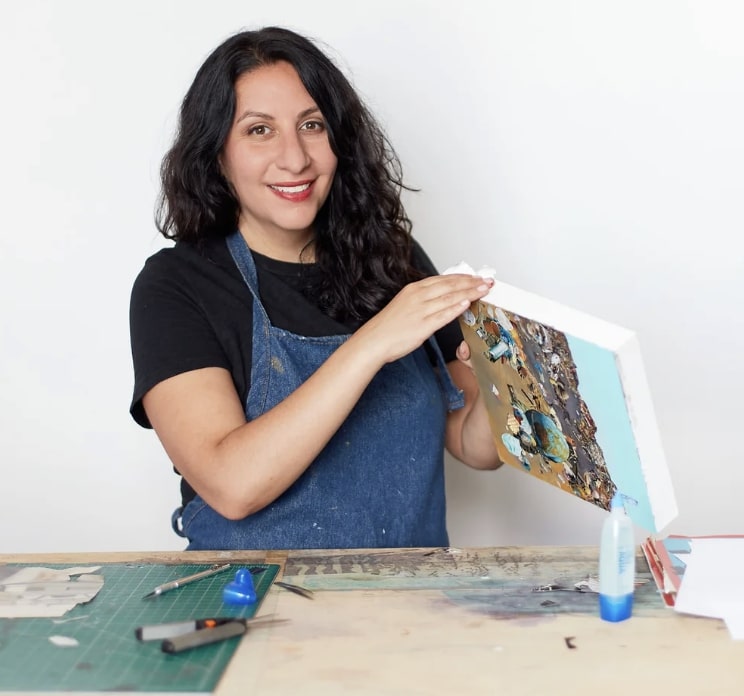
Elena Soterakis is an interdisciplinary artist exploring environmental degradation, technology, and our connection to the natural world through painting, sculpture, and large-scale installations. Her work has been exhibited internationally, including at the Museum of Contemporary Art Tokyo, Museum of Art and Design Atlanta, and Matsudo Science and Art Festival. She is a founding member and Director of Creative Productions for Beyond Earth, a women-led collective creating space-bound artworks, including *Living Light* (2021) launched with Space Perspective. Elena also co-founded BioBAT Art Space in Brooklyn, a gallery dedicated to the intersections of art, science, and technology, and co-initiated the Great Pause Project, documenting global experiences during COVID-19. Soterakis holds an MFA in Painting from the New York Academy of Art and a BFA in Illustration from the School of Visual Arts, and has taught at Suffolk County Community College and CUNY.
Rachael Nee
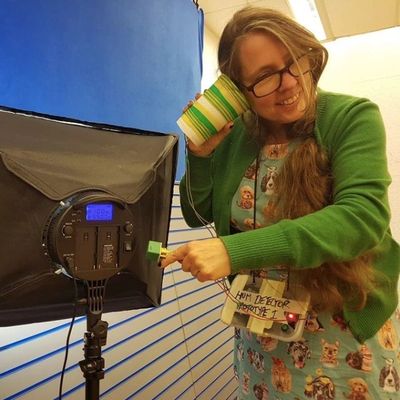
Rachael Nee is a professional artist with over 20 years of experience creating, exhibiting, and teaching internationally. Fascinated by the interface of art and science, she explores physics—the “Wonder” science—through themes of energy, entropy, scale, time, and matter. Her projects include a potato-powered cosmos at CERN, a pollution-fed exhaust pipe organ, and a Geiger counter–driven synthesizer. Nee combines art, electronics, and sound, teaching herself Arduino, Raspberry Pi, and Python to expand her creative practice and workshops. Passionate about making science accessible and inspiring underrepresented voices, she merges playfulness with rigor, aiming to share the awe of scientific discovery. Her work continues to engage audiences worldwide while her online studio will soon offer products supporting these goals.
Nimrod Astarhan
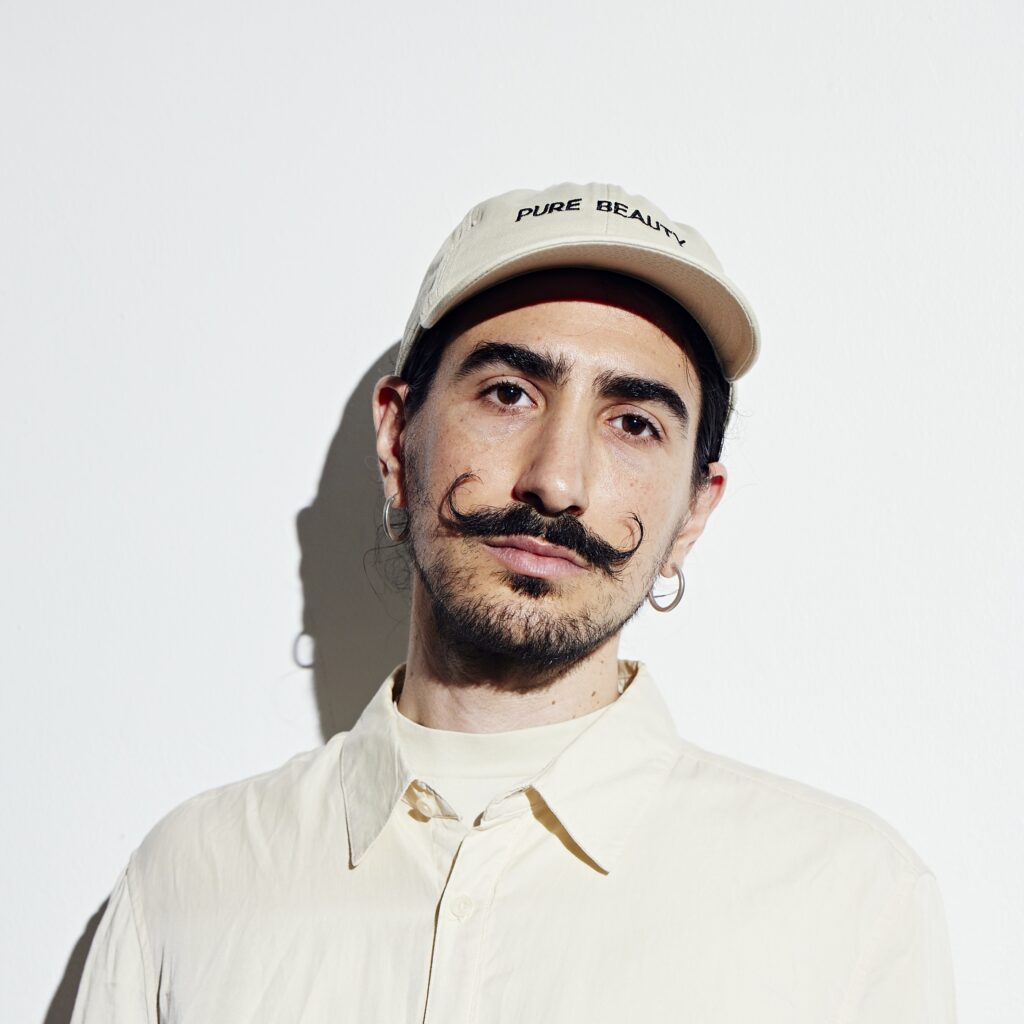
Nimrod Astarhan is an artist, technologist, and scholar. Their research-creation in sculpture and media art was exhibited worldwide and on the International Space Station. Recent showings include ISEA, the Gwangju Biennial Pavilion Project, Ars Electronica, and The Ammerman Center Biennial Symposium on Arts & Technology. They received grants and awards from the Municipal Arts League of Chicago and the Arts, Science + Culture Initiative at the University of Chicago, and their work was a finalist for the Lumen Prize. Nimrod holds an MFA in Art and Technology Studies from the School of the Art Institute of Chicago. They taught digital art, code, hardware, and critical theory at the School of the Art Institute of Chicago, China Academy of Art, and Shenkar College of Engineering, Art, and Design.
Helen Cook
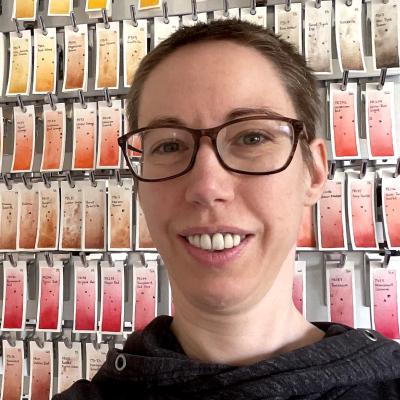
Helen Cook is a Cambridge-based artist, community activist, and founding director of the Resilience Web, a directory of place-based groups advancing sustainability and social justice. They facilitate the Cambridge Care Collective, a weekly disability peer-support group, and leads two community book clubs focused on transition, resilience, and Doughnut Economics. Trained as a biologist, with a Master’s and PhD in computational biology, Cook brings scientific observation and curiosity into her watercolor practice. Living with chronic migraine has shaped their attention to moments of joy, care, and wonder in the natural world. Their work uses foraged, handmade, and low-impact materials, treating paper and pigment as active participants rather than neutral tools. Exploring themes of ecology, disability, and belonging, Cook’s practice reflects a commitment to justice, care and life on a finite planet.
Andrew Werth
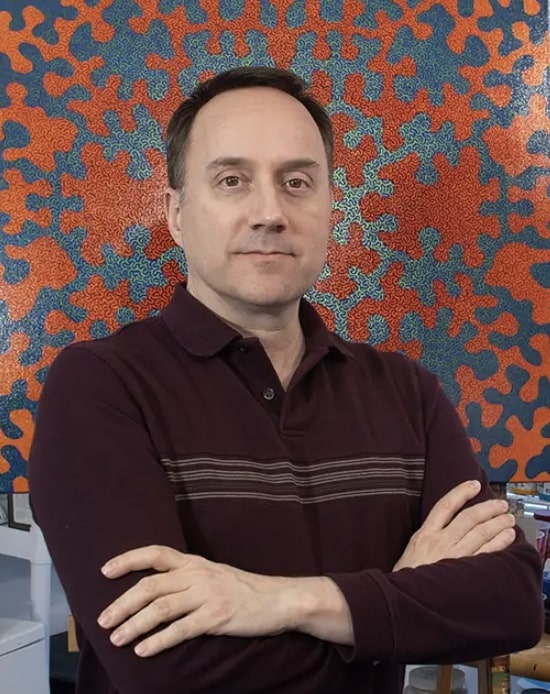
Andrew Werth is an abstract painter whose practice is deeply informed by long-standing interests in consciousness, perception, psychology, and the philosophy and science of mind. His paintings explore ideas such as embodiment, metaphor, and mental “strange loops,” examining how bodily structure shapes how we see, think, and understand the world. Built through a slow, meditative process of thousands of individual brushstrokes, his works draw on maze-like markings to investigate color interaction, perceptual effects, and layered abstraction. Werth’s compositions invite sustained looking, revealing new relationships from different distances, angles, and lighting conditions. His background includes studies in philosophy of mind and cognitive psychology at The New School, alongside degrees in computer engineering and information networking from Carnegie Mellon University.
Ivan Amato
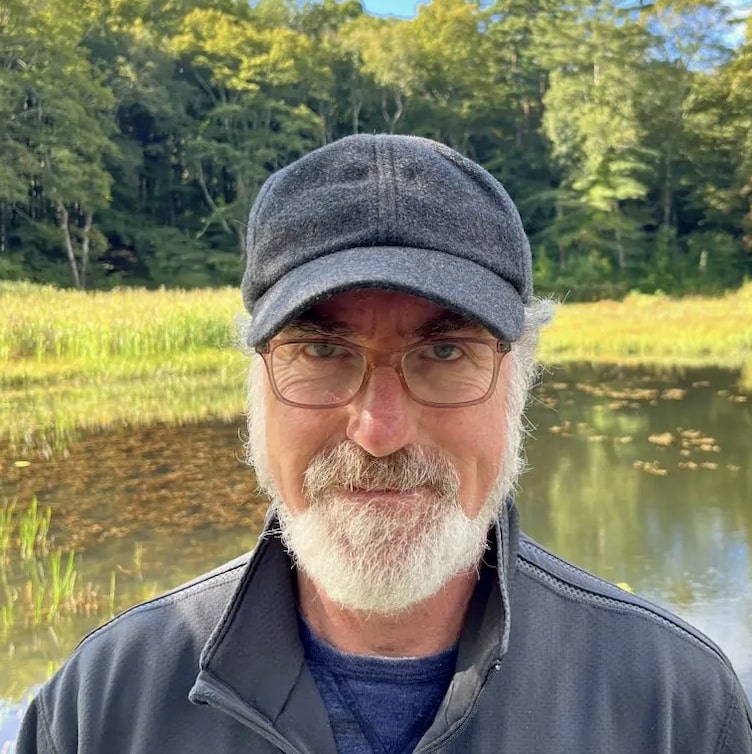
Ivan Amato is a science and technology writer, editor, communicator, podcaster, and public-engagement professional based in South Orange, New Jersey. His work is driven by the belief that science’s greatest gift is its ability to inspire awe by revealing how nature works. Amato has written and edited for leading publications including Time, Nature, Science, Quanta, Discover, and Chemical & Engineering News, where he served as managing editor. He has advised institutions such as PCAST and DARPA, hosted science podcasts, and founded science café series. Alongside his writing, Amato practices crystal photomicrography, using microscopy to reveal the unexpected beauty of chemical and material structures.
Eleonora Adami
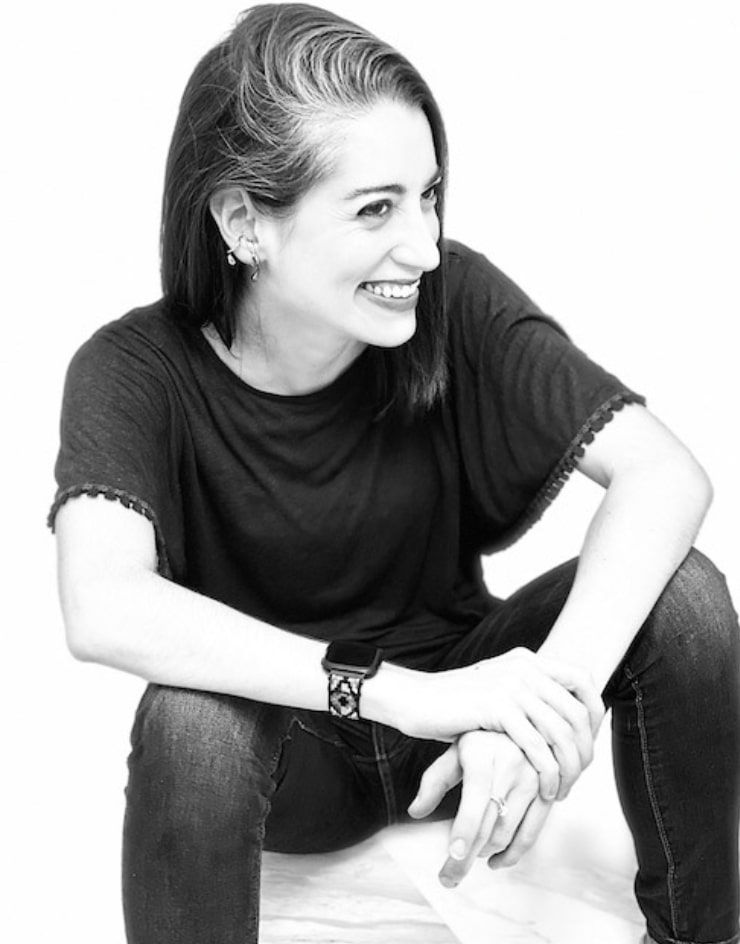
Eleonora Adami is a postdoctoral research fellow trained in molecular biology and genomics whose practice bridges scientific research and illustration. Rejecting the divide between art and science, she uses visual storytelling to clarify complex biological processes and improve public science communication. By integrating illustration into her research, she creates accessible, precise visuals that counter misinformation and engage wider audiences. Beyond the lab, she is an active advocate for diversity and inclusion in STEM, contributing to science outreach initiatives that highlight women scientists and support underrepresented communities. Having worked across multiple countries, she values interdisciplinary, cross-cultural collaboration as essential to both scientific rigor and creative insight.
Hanae Utamura
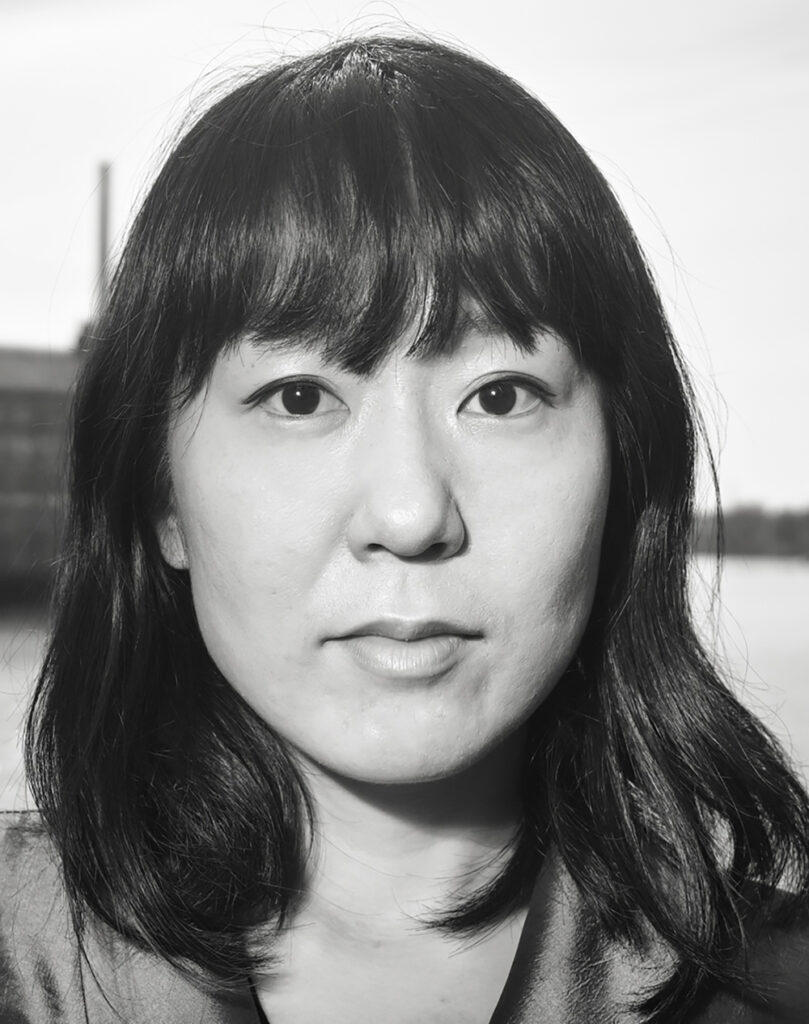
Hanae Utamura is a Japanese interdisciplinary artist and an educator based in New York and Tokyo. Her work engages with historical memory, questioning the notion of progress in modernity, ecology and technology. Utamura’s media include video, performance, installation, and sculpture. She connects human beings and earth, using the physical human body as a conduit. She explores negotiations and conflicts between the human and the non-human, and how all the varieties of the wills of life manifest such as in the field of science. By decentralizing the human perspective, Utamura diversifies historical narratives, and enters the imagination of nature. She received her Master of Fine Art at Chelsea College of Art and Design, and her Bachelor Fine Art at Goldsmiths, University of London. Utamura has received support through numerous international residencies and fellowships including Akademie Schloss Solitude (Stuttgart, Germany), Künstlerhaus Bethanien (Berlin), PACT Zollverein (Essen, Germany), Art Omi (Hudson, U.S.), Santa Fe Art Institute Residency, Aomori Contemporary Art Center (Japan), National Museum of Contemporary Art, Changdong Art Studio (Seoul, S.Korea), Seoul Art Space_GEUMCHEON (Seoul, S.Korea), Florence Trust (London, U.K.) and more. She has been awarded More Art Engaging Artist Fellowship, NYFA Immigrant Artist Mentoring Program, Shiseido Art Egg Award, Grant program by the Japanese Ministry of Culture, the Pola Art Foundation, UNESCO-Aschberg Bursary Award, and Axis/Florence Trust Award. And has been exhibited extensively in Asia, Europe and U.S. She was a visiting scholar at New York University in 2019, supported by Japanese Ministry of Culture, Japanese government as a part of Japan – United States Exchange Friendship Program in the Art.
Zoe Iris
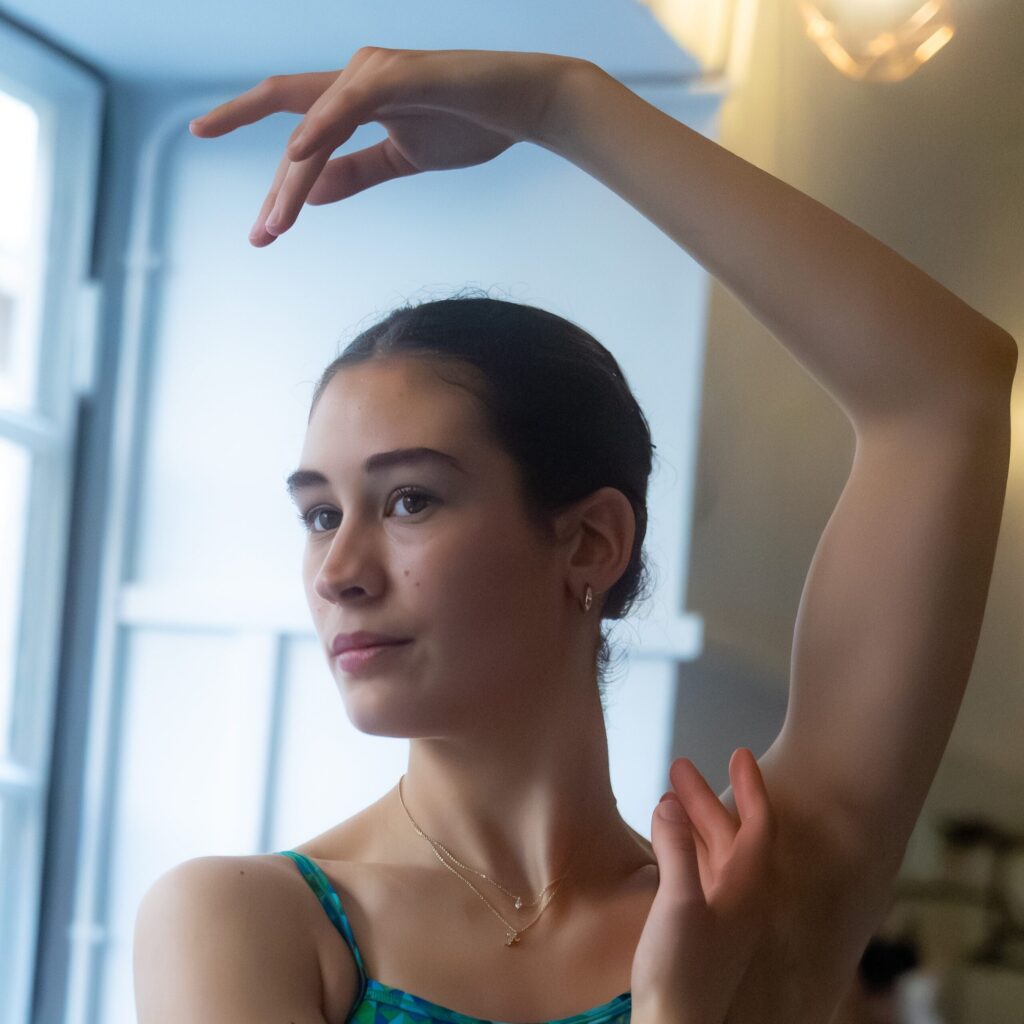
Zoe Iris Venema, is a professionally trained ballet dancer interested biomechanics, mathematics, and artistic expression. With training in Canada and Europe, she channels her curiosity to connect communities through movement and collaborative engagement.