Lúcia Antunes
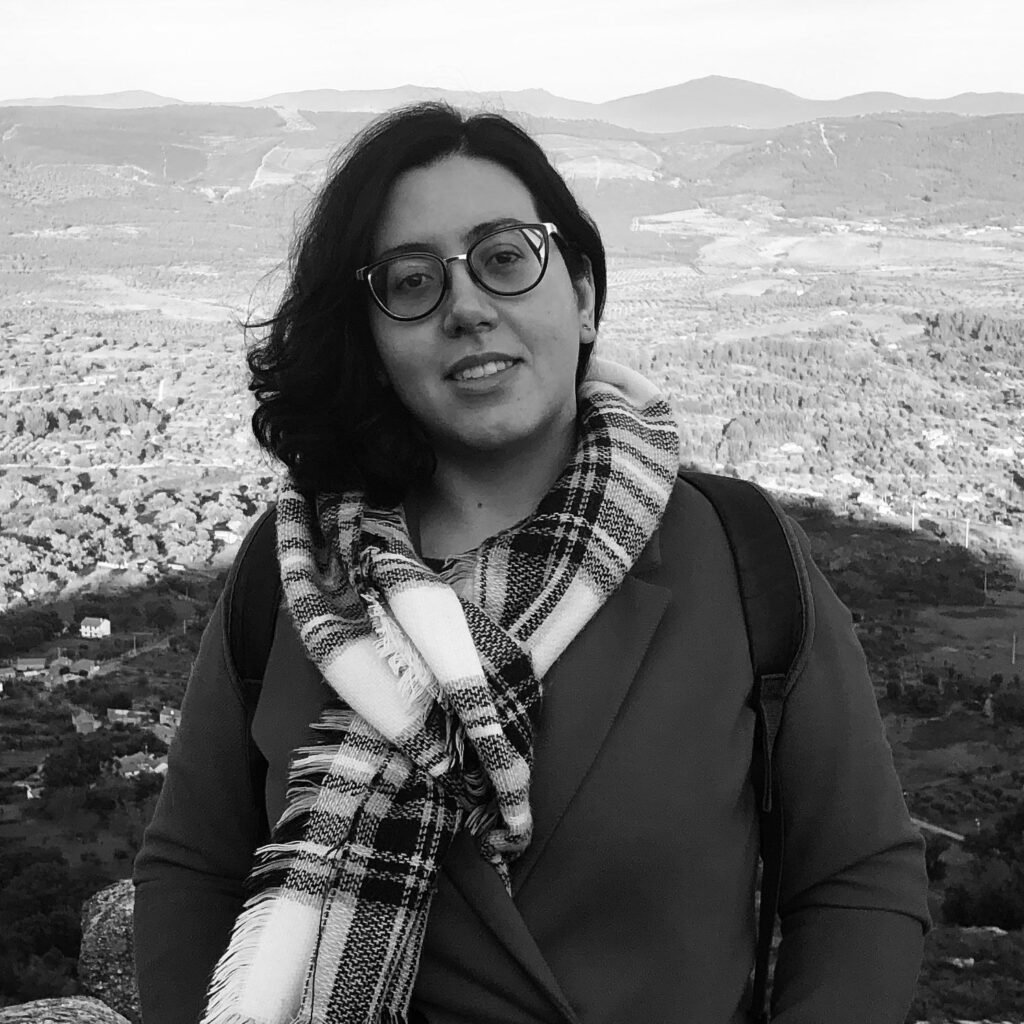
Freelance Scientific Illustrator and Designer since 2009, creating scientific communication and commercial pieces. Assistant teacher at Faculdade de Belas Artes da Universidade de Lisboa (Fbaul). Designer and scientific illustrator for Católica Biomedical Research Centre. Master in Scientific Illustration (lnstituto Superior de Educação e Ciências /Universidade de Évora). Degree in Communication Design (Fbaul). Attended scientific illustration courses at Fbaul and Universidade Autónoma. Member of Grupo do Risco since 2013, of Guild of Natural Science Illustrators since 2011 (participation in exhibitions, publications, and articles) and of the Emerging Creatives of Science community. Collaborating Researcher at CIEBA. Participation in illustration and communication congresses since 2012. Awarded in national and international exhibitions, individually and collectively.
Dr. Alexandra Vasilyeva
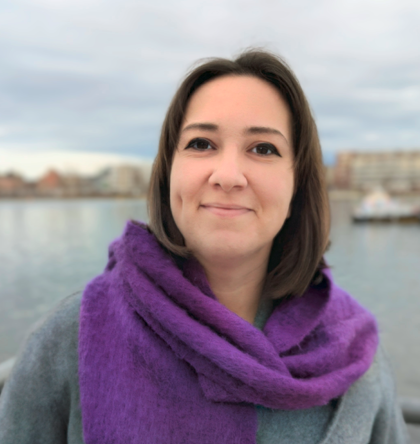
I am a scientist and artist based in Berlin. My scientific experience spans a decade, including seven years of laboratory work on new methods of targeted drug delivery, and I hold a doctorate in biomedical engineering from the University of Oxford. In my current work with life science start-ups, I combine scientific knowledge and creativity, with the ultimate goal of helping bring new treatments to the patients who need them. I strongly believe that art and science can and should co-exist. Throughout the history of science, art has helped to communicate its findings, swayed public opinion, rattled fashion, and directly contributed to new discoveries. In my work, I aim to continue this tradition of synergy between art and science, by expressing the beauty of scientific concepts in a variety of media from linoprinting and watercolour to digital illustration and 3D printing.
MSc. José Ramirez
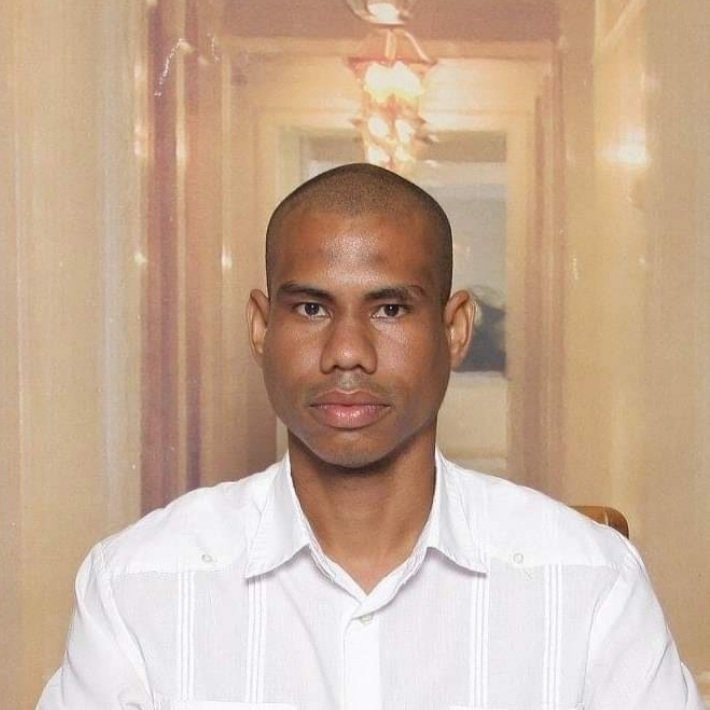
My name is José Ramírez. I have 12 years of experience as a university professor in the field of physics and a Grade A innovator in Venezuela for the design and manufacture of various parts and prototypes using composite materials. Among them, different types of protective helmets. My last prototype was a radiation protection helmet that was part of my thesis, which earned me the title of Magister Scientrarum in Physics. But, as always, it was all meetings, conferences, and no support. That’s why I decided to emigrate to Chile. Here, since I’m passionate about art, I’ve worked independently, designing and manufacturing projects, busts, and life-size figures. I have several projects, including one that seeks to promote environmentally friendly energy and science through my art. I’m looking for an organization or institution that supports these types of projects to showcase my work and perhaps find a better job opportunity. Any opportunity. Maybe pursue my PhD in a related topic.
Lauren Wright Vartanian
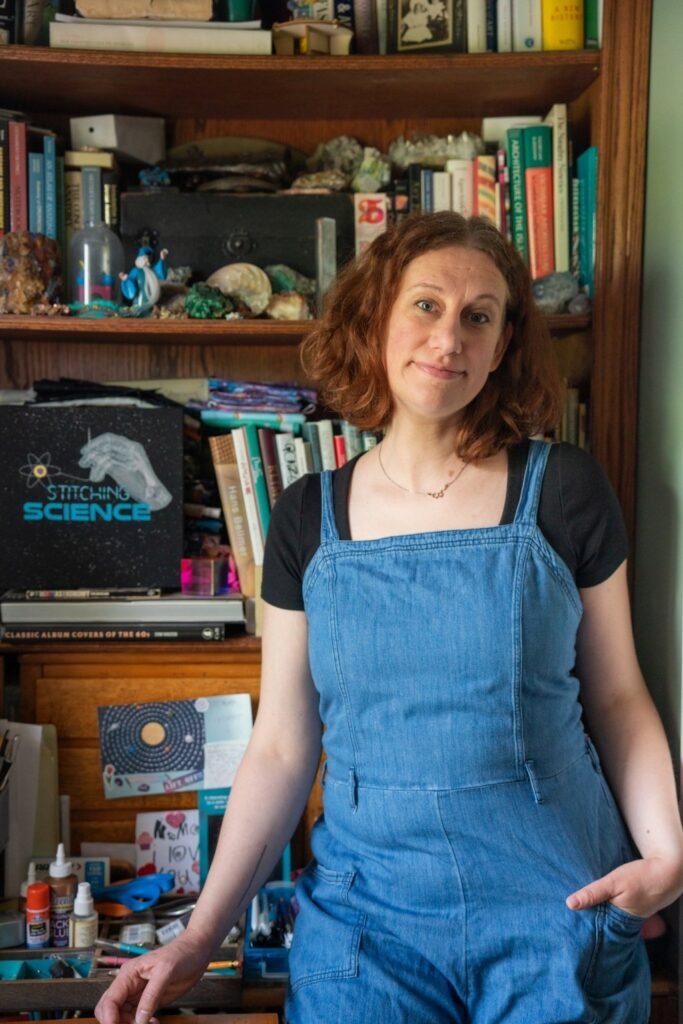
Lauren Wright Vartanian is a multidisciplinary artist with a BFA degree from OCAD University, graduating in 2006. She has been practicing under the name Neurons and Nebulas since 2015, with a focus on textile art that explores scientific concepts, executed entirely out of fabrics, embroidery and hand stitching. Her book Stitching Science, began as an idea for a cloth book for babies—an ABC book of science terms, but soon took a turn towards an older audience. As she continued on with the project, the concepts and the artwork itself became more advanced, approaching themes that include quantum physics, fractal mathematics and fetal development. The artwork took three years to complete. The idea was picked up by Firefly Books, a Canadian traditional publisher that focuses on beautiful educational books. The text for the book was written in collaboration with award-winning children’s educational author and former editor of Owl Magazine—Keltie Thomas. The writing is targeted at school aged children, but the book is really for anyone with a passion for learning about science and an appreciation of art.
Sade J. Abiodun
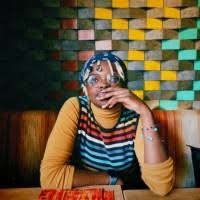
Sade J. Abiodun (S.J.A) is a transdisciplinary researcher, artist, and digital storyteller of Nigerian and South African descent. They hold a B.S. in Neuroscience from Duke University and an M.A. in Neuroscience from Princeton University. They are currently pursuing a Ph.D. at the Princeton Neuroscience Institute, where their research in neurocinematics investigates how audiovisual narratives shape subjective emotional experiences. S.J.A’s artistic practice blends film, music, digital media, and creative technology to create emotionally and intellectually engaging experiences. Informed by research in cognitive science, neuroaesthetics, aesthetic theory, and metascience, their work explores themes of ancestral knowledge, ritual, and embodied creativity. They use transdisciplinary technology to challenge dominant ways of knowing and examine how we perceive and shape knowledge, belief, and reality. Their award-winning short film Godspeed has screened internationally at the Hayti Heritage Film Festival and NOW Gallery in London. Their installations, experimental texts, and sonic performances have appeared across academic journals and interdisciplinary platforms. In 2023, they were named a “Future of Neuroscience” by the Society for Neuroscience and have consulted on projects for HBO, TELFAR TV, and the Harvard Center for Bioethics. S.J.A aims to bridge science and art through dynamic visual experiences that centre multidimensional storytelling, collaboration, and new frameworks of understanding.
Dr. Leonora Martínez-Núñez
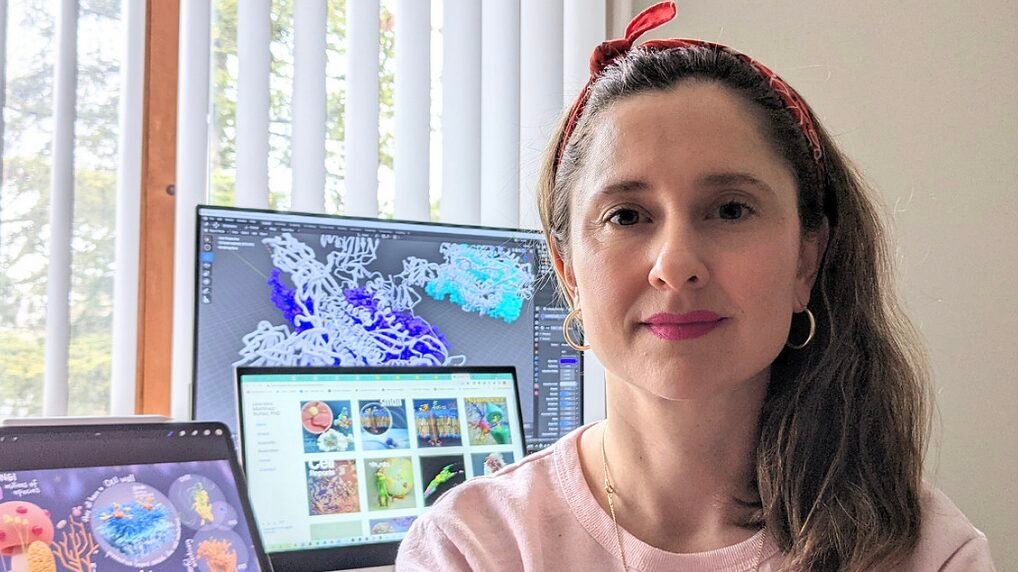
Leonora Martínez-Núñez is a Mexican scientist and scientific illustrator with a PhD in Life Sciences – Microbiology from the Centro de Investigación Científica y de Educación Superior de Ensenada. After completing postdoctoral research training in protein biochemistry and membrane trafficking at UMass Chan Medical School, she shifted her focus to scientific visualization. Leonora combines her scientific expertise with digital illustration and animation to enhance science communication. Her visual work focuses on cellular processes, protein structures, and molecular dynamics, helping researchers convey complex concepts more clearly in publications, presentations, and public outreach. In 2024, her poster Musings on the Protein Alphabet won the Art & Biology category at the Visualizing Biological Data (VIZBI) conference. The following year, she designed the official logo for VIZBI 2025, with her artwork featured on the conference’s main page. She also published a perspective in Frontiers in Bioinformatics (2025) that explores the creative process behind her work and the intersection of protein structure and typography. Leonora currently lives in Brisbane, Australia, where she continues to collaborate across scientific disciplines, using thoughtful design and visual narrative to improve scientific literacy and accessibility.
Susana Igreja, PhD
I am an emergent interdisciplinary artist working at the intersection of art and science. With a PhD in Biomedical Sciences from the University of London and postdoctoral research at the University of Lisbon, I now translate scientific research into artistic form, focusing on immersive and sensory experiences. Inspired by microscopy images and videos of human cells, I transform scientific imagery into painting, video installation, sound, and experimental visual forms. Through my work, I invite people to explore perception, interdependence, and transformation, and to connect with what lies beyond the visible.
Daniel Hill
Based in Long Island, New York, Daniel Hill is an interdisciplinary artist, educator, and curator whose work explores the relationship between visual art, sound, and science. He holds an M.F.A. from the School of Visual Arts, NYC and a B.F.A. from Kent State University, Ohio. His practice includes painting, sound composition, and writing, using rule-based systems to explore embodied and extended cognition and the link between the aesthetic and the conceptual. Daniel’s works merge science and creativity, exploring nature’s patterns and sound to create meditative and engaging environments. His work has been exhibited nationally and internationally, including at ODETTA, NYC (2019), Museum of Modern Art Hünfeld, Germany (2018), and the 7th International Fine Arts Festival, Museum of Gorenjska, Slovenia (2018). His paintings are part of public and private collections including the U.S. Department of State, Microsoft, and Bank of America. He has composed over twenty albums of original sound works, some of which received airplay in New York, Canada, and Europe. He has written for The Brooklyn Rail, Interalia Magazine, and SciArt in America, and appeared on panels at LASER Talks, The Helix Center, and the CUE Art Foundation. He also curates art-science exhibitions, including Visual Inquiries at Pace University, where he is currently an Adjunct Professor of Art.
Estelle CRUZ
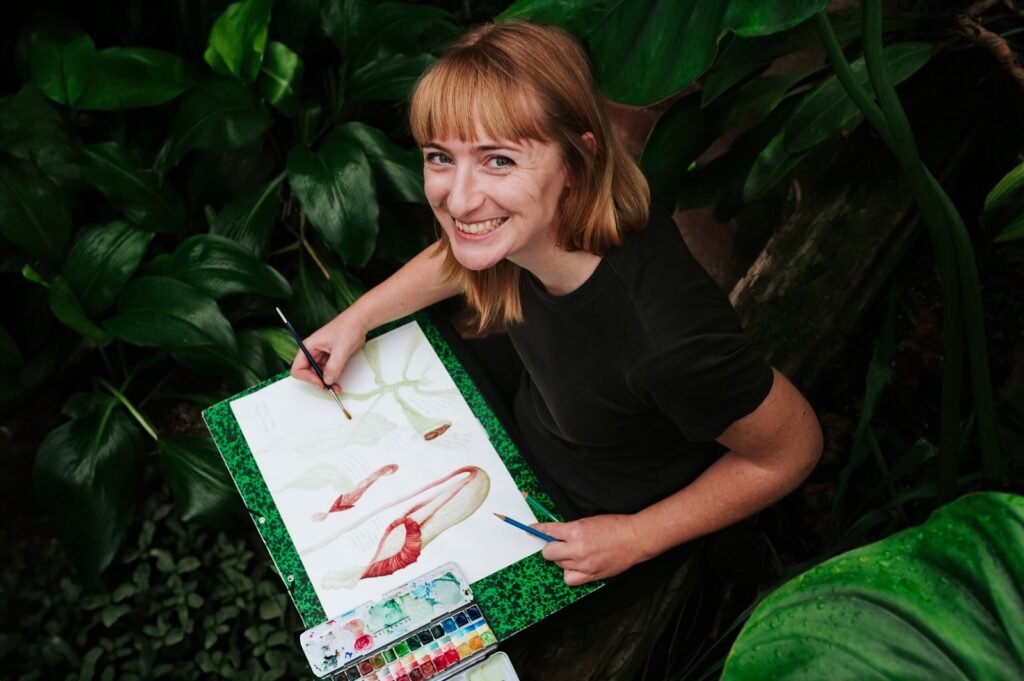
Estelle CRUZ, Architecte d’Etat et Docteur en écologie du Musée d’Histoire Naturelle de Paris. Actuellement en postdoctorat aux départements Arts et Sciences à l’Université de Chulalorngkorn à Bangkok, elle mène des recherches sur le représentation de la nature dans les bandes dessinés Thaïlandaises. Elle est également sociétaire et chercheuse associée CEEBIOS du Centre d’Etudes et d’Expertise en Biomimétisme à Paris et laboratoire MAP-Aria de l’ENSAL – Ecole d’Architecture de Lyon, France.
Ele Willoughby
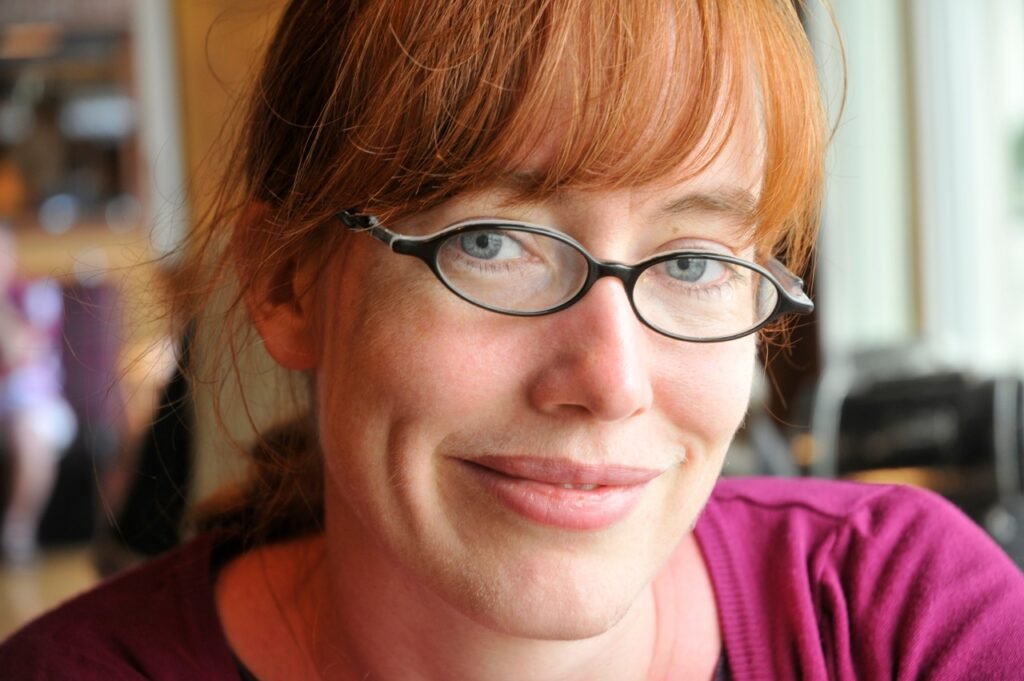
Eleanor (Ele) Willoughby is a Toronto-based marine geophysicist and printmaker working at the intersection of art and science. She holds a PhD in Physics from the University of Toronto and has conducted marine geophysics research in academic and government settings. Alongside her scientific career, she trained in printmaking at the Art Gallery of Ontario and Open Studio. Ele founded minouette, a platform showcasing and selling her works that combine science and storytelling to spark curiosity and public engagement. Her main medium is linoleum block printing, which involves drawing an image in reverse on linoleum, carving away negative space, applying ink, and hand-printing onto paper or fabric using a traditional Japanese baren. She also works with woodblock printing, screenprinting, and textile art. Her work sometimes employs scientific methods to make interactive artworks, printing in electrically conductive, thermochromic or UV activated inks, incorporated electronics to create pieces that light up, change colour, or make sound. Ele’s work is inspired by natural history, issues in science, the history of science, and myths. She draws on the tradition of Cabinets of Curiosity–collections of real and imagined natural objects like rocks, fossils, shells, plants, and animals, kept by amateurs from the Renaissance to the 19th century. She sees minouette as a modern Cabinet of Curiosity, filled with specimens from natural history alongside mythical creatures.