Art-Science and Knowledge Accessibility
Traditional science communication often remains within institutional spaces, limiting public access to important knowledge. This blog explores how art science integration can break barriers to accessibility by presenting complex ideas through creative and experiential formats that resonate beyond academic environments. By drawing from multiple knowledge spheres art science approaches create meaningful entry points that invite broader engagement with the concepts shaping our collective future.
2026: In Pursuit of a Sustainable Art–Science Future
Every movement has a beginning. Not a moment of arrival, but a period of exploration, experimentation and momentum-building. For The Crearte Foundation, 2026 will pose as a deliberate run through of the landscapes we want to inhabit long-term, testing what art–science can look like when it is not just an idea, but a living ecosystem.
The Rising Wave of Art–Science: Why Integration Is the Future of Innovation
For centuries, art and science have been treated as two distinct cultures with different languages, different rules and different expectations for how knowledge should be created. Scientists stay in their labs; artists stay in their studios. Existing academic structures reinforce disciplinary silos, and funding models often reward specialization rather than cross-integration. Even though our world is more interconnected than ever before, the systemic design of our institutions still encourages people to communicate only within their own field. Yet, beneath this layer of separation, something extraordinary has been happening. Across the world, people are weaving together artistic and scientific thinking in ways that push the boundaries of innovation. This emerging landscape—often referred to as art-science, sci-art, art-sci, or research-creation —is rising as one of the most exciting cultural and technological movements of our time. The field is gaining momentum, but remans fragmented as communities are scattered across universities, independent labs, creative hubs and personal studios. Outside of these, many practitioners have been working in isolation, unaware that other professionals like them exist. This is the exact problem The Crearte Foundation for Art-Science Innovation was created to solve. We exist to establish art-science on a recognizable global scale as an answer to innovation and creativity. The Origins and Evolution of Art–Science The term artscience was notably advanced by David Edwards, an American scientist, inventor, and Harvard professor whose book Artscience: Creativity in the Post-Google Generation helped popularize the idea in the U.S. Edwards argued that the borders between art and science were dissolving and that the future of innovation depended on bridging the two. His work laid a foundation for a new vocabulary and brought legitimacy to practices that had long existed but lacked language, structure and institutional support. Still, even with growing academic interest, art-science has never been limited to a single definition. Around the world, creators and researchers use a wide range of terms to describe what they do: This diversity shows how rich and expansive the field is, but it also contributes to its fragmentation. Without shared language, shared spaces or shared visibility, progress stalls. The Missing Cross-Talk: Why Fragmentation Holds the Field Back When The Crearte Foundation began, we believed art-science was still relatively unexplored, perhaps only practiced by a niche minority. But as we built programs, searched for collaborators and reached out to global communities, we discovered something surprising: art-science wasn’t rare at all. It was everywhere. There were dancers exploring neuroscience in Europe. Designers integrating biology in Asia. Engineers with musical expertise in South America. Tiny pockets, small but powerful, were emerging in nearly every region of the globe. They simply didn’t know the others existed. This lack of communication is one of the biggest barriers facing art-science today. Without cross-talk, resources cannot be shared, mentorship cannot flow and collaborative breakthroughs cannot take shape. It’s like discovering a new medicine in a remote northern region while another team independently discovers a complementary treatment in different southern region. If those two groups never meet, never communicate and never know the other’s work exists, the potential for advancement remains stuck in isolation. ” Innovation slows not because of a lack of talent or discovery, but because of a lack of connection.“ Art-science faces this same challenge. Individually, practitioners are brilliant. Collectively, they are invisible—until we bring them together. The Crearte Foundation: Building the Infrastructure for a Global Community At its core, The Crearte Foundation seeks to bring together global art-science communities, building a cohesive network where art-scientists can thrive. Our goals are simple yet transformative: We want to create spaces, resources and opportunities for individuals who integrate their expertise(s) in art and science, so they no longer have to choose to follow one stream of their interests. Today, we have connected with active art-scientists across more than 22 countries, representing a wide diversity of disciplines, cultural perspectives and hybrid practices. This reach is not only a reflection of the Foundation’s growth, it is evidence of a worldwide need. A need for community. A need for recognition. A need for new models of innovation that are not limited by disciplinary boundaries. By bringing these creators, researchers and thinkers into conversation with one another, we are helping to reshape the landscape of how art, science and technology intersect. And the more people we meet, the clearer it becomes that art-science is not a fringe movement. It is a rising global force that is ready to impact lives, communities and economies. Why Art–Science Matters Today We are living in a time where creativity and technology are merging at unprecedented speeds. AI, biotechnology, immersive media, neuroaesthetics, sustainability research and digital performance art all operate at intersections. The most groundbreaking ideas—those that shape societies, industries and cultures—are emerging from people who think differently. Art-scientists embody this intersection. They challenge assumptions. They blend imagination with analysis. They create experiences that move people emotionally while illuminating complex truths. They make science more human and art more exploratory. And most importantly, they expand what innovation can look like. A Call for a New Era of Cross-Disciplinary Innovation The future of art-science will depend on our ability to unite the field and create structures that support cross-disciplinary integration, visibility, mentorship and collaboration. The Crearte Foundation for Art-Science Innovation is committed to leading that movement and building the global ecosystem needed to help art-scientists not only exist, but thrive.
Neuroaesthetics: Beauty and the Brain
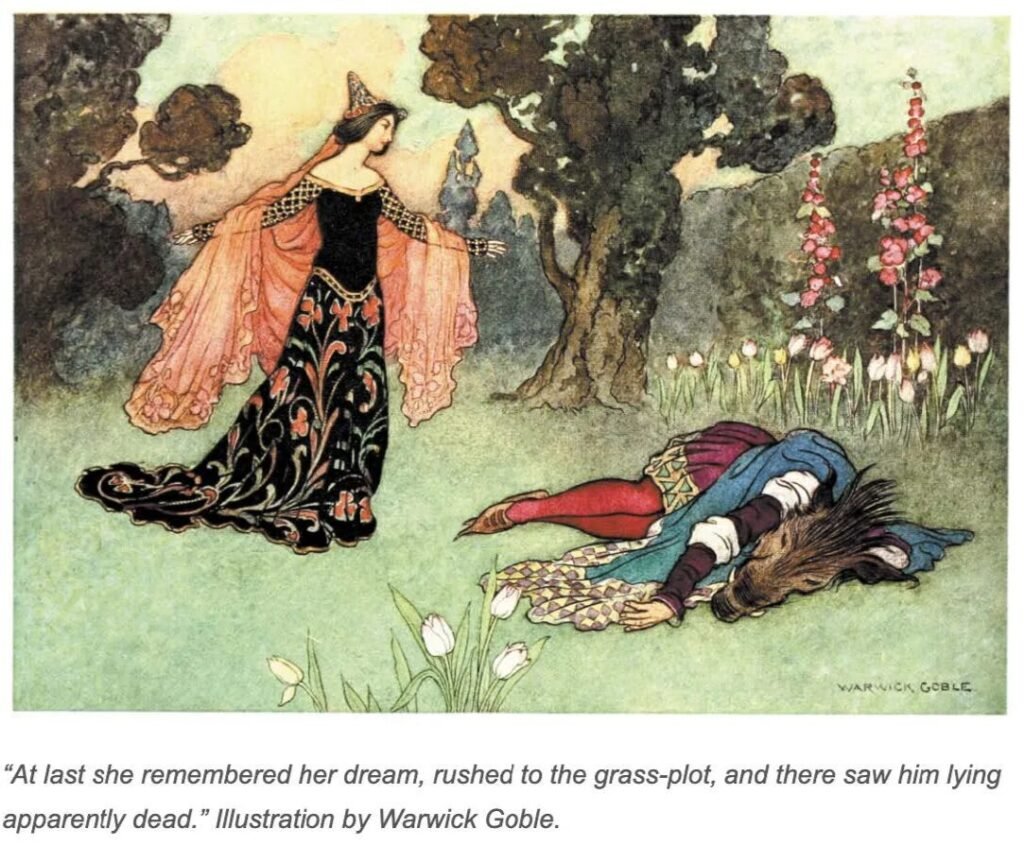
Explore how Beauty and the Beast reflects the science of aesthetics through neuroaesthetics. From Plato and Aristotle’s philosophies of beauty to modern fMRI scans that map the brain’s “beauty spot,” this article reveals how art, memory, and emotion shape what we find beautiful—and why beauty lives in the mind as much as in the eye.
What Does Truth Mean in Art vs. Science?
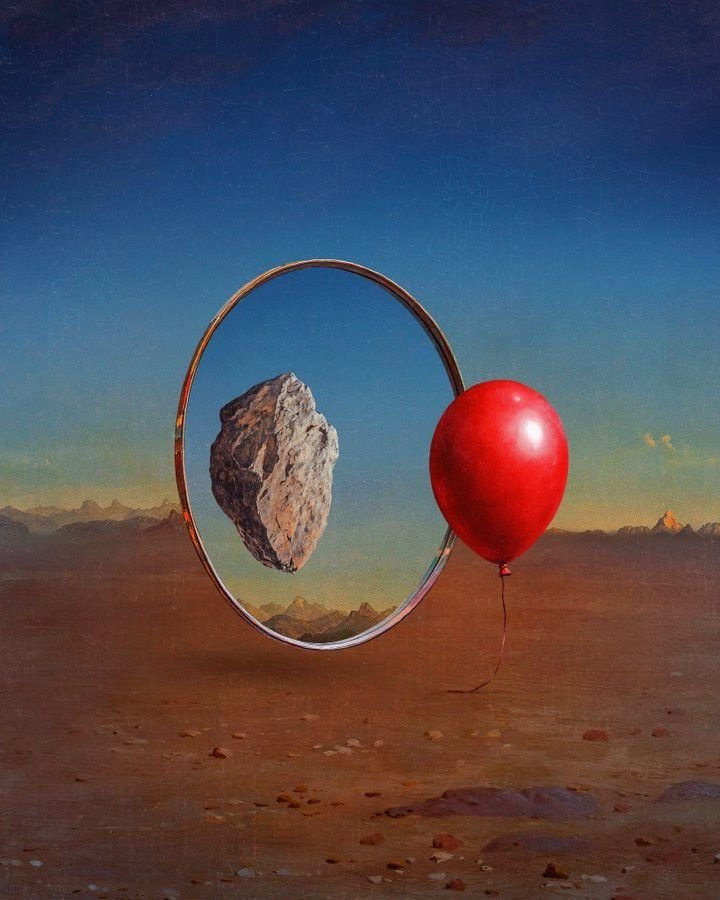
Exploring how science and art reveal different kinds of truth, this essay examines epistemology, the social nature of knowledge, and how collective understanding shapes our perception of reality.
Common Misconceptions About Art-Science
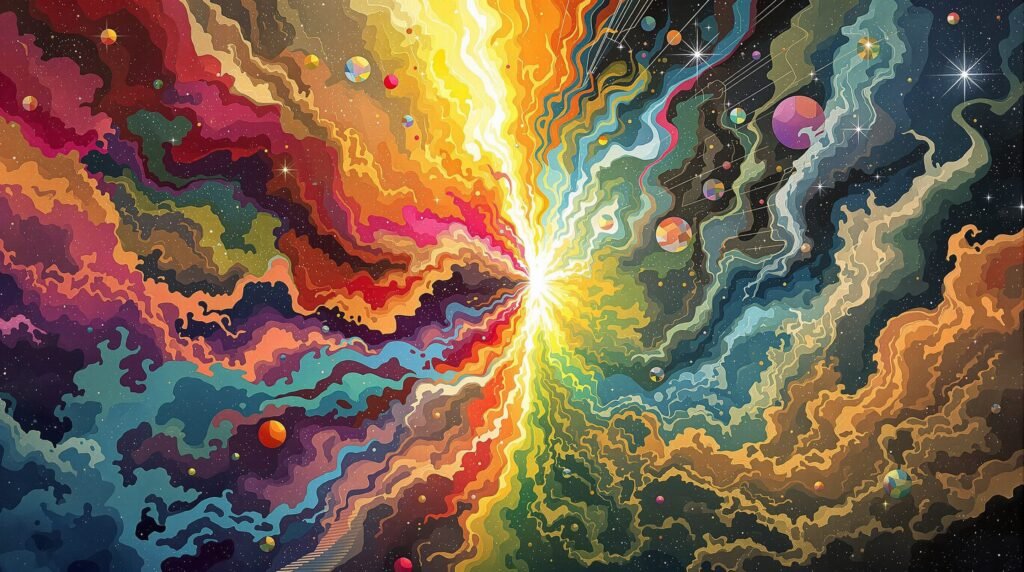
Art and science are often seen as opposites—creativity versus logic, intuition versus proof. But history shows they’ve always been more connected than divided. This blog explores four common misconceptions about art-science and why reimagining their relationship opens up new possibilities.
Inside the Bridges MathArt Conference: Navigating Math, Art and Meaning
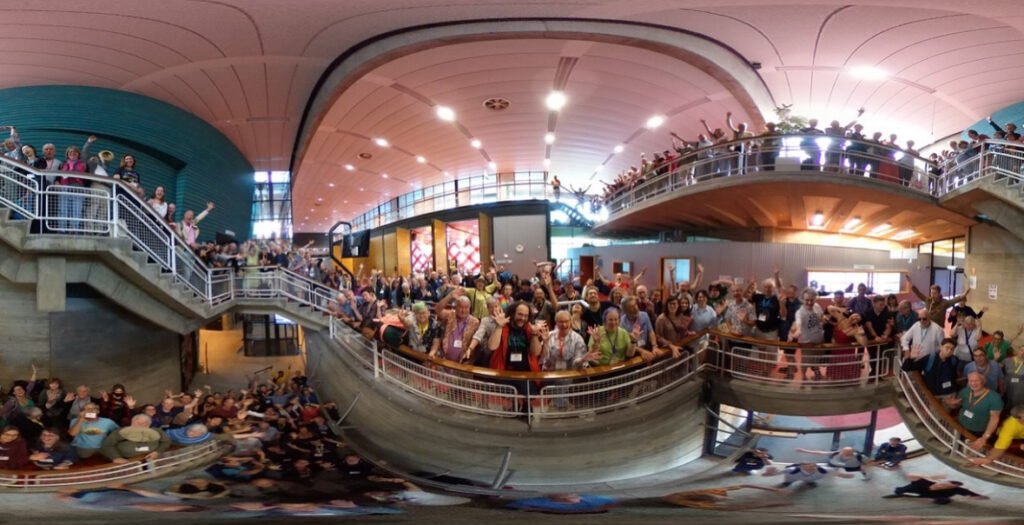
Explore the intersections of mathematics, art, and interdisciplinary thinking in this reflection on the 2025 Bridges MathArt Conference. From hands-on workshops and math-inspired fashion to deep discussions on creativity, authenticity, and collaboration, this post captures the spirit of an event where ideas and disciplines meet, clash and evolve.
Slowness is a Superpower
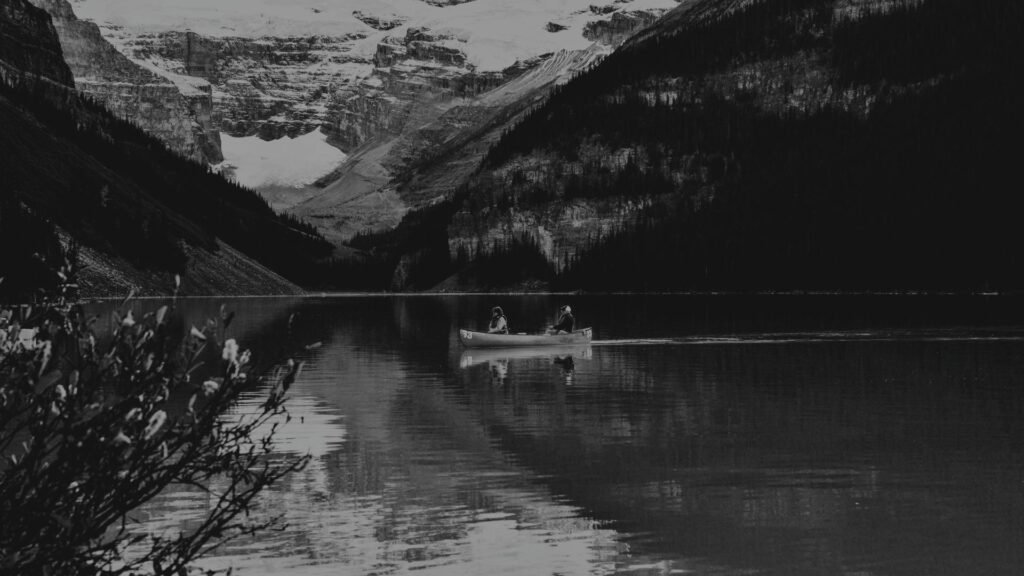
Sometimes, slowness is a superpower.
A superpower for seeing, hearing, and encountering the little noticed. It is a skill of making room for meaning, allowing the unexpected to seep in, and creating space for memories and ideas to build up.
From STEM to STEAM Education: Cultivating Creativity and Flexible Thinking in Schools
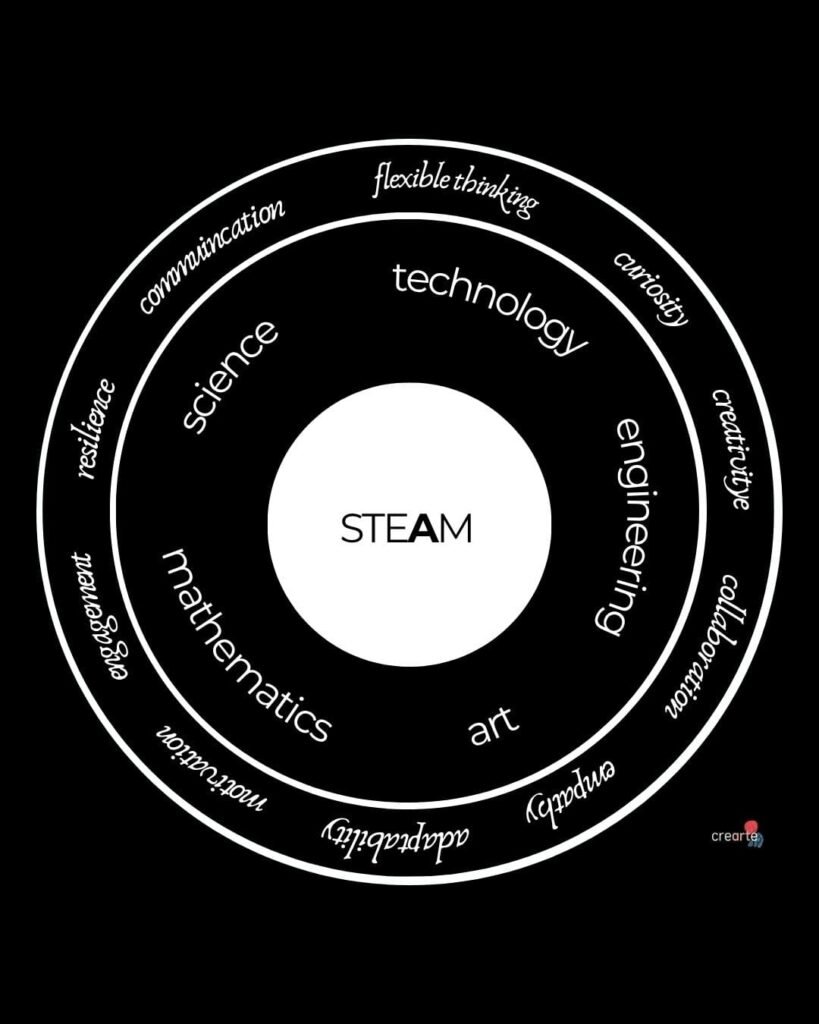
In the evolving landscape of education, traditional boundaries between career fields are becoming increasingly blurred. Integrating art into STEM (Science, Technology, Engineering, and Mathematics) education—transforming it into STEAM education—offers a dynamic approach that fosters interdisciplinary thinking and prepares students for the complexities of the modern world.
The Art of Scientific Visualization: Bringing Data to Life
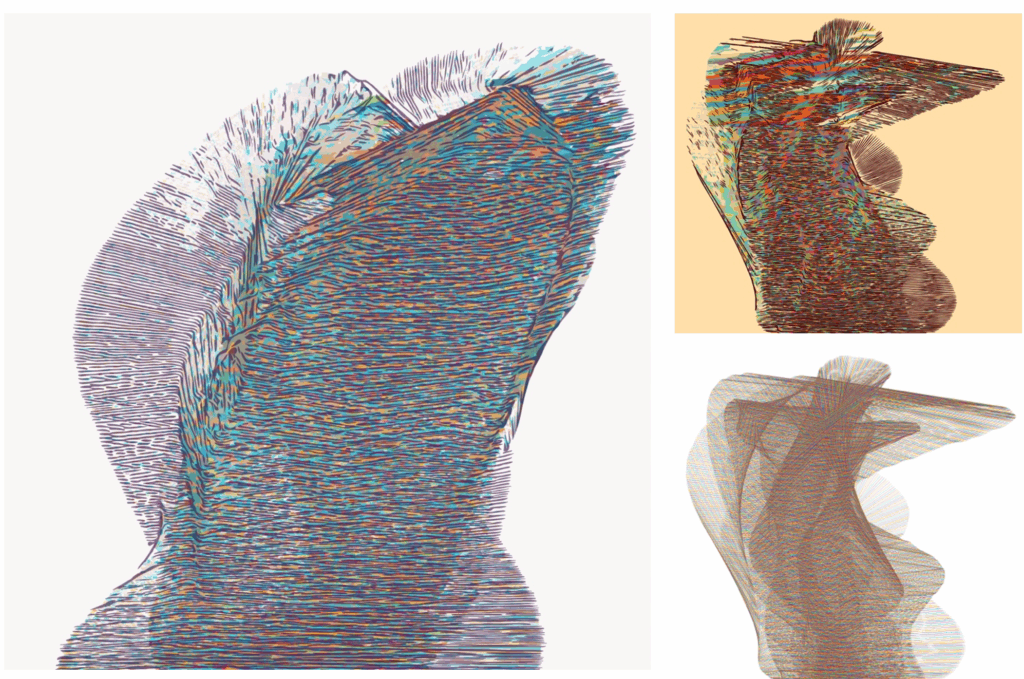
This fusion of science and art isn’t about making data look pretty—it’s about making it resonate, persuade and even surprise. At its best, artistic scientific visualization can spark curiosity, provoke questions and communicate complexity with clarity and emotion.