Wang Yung An
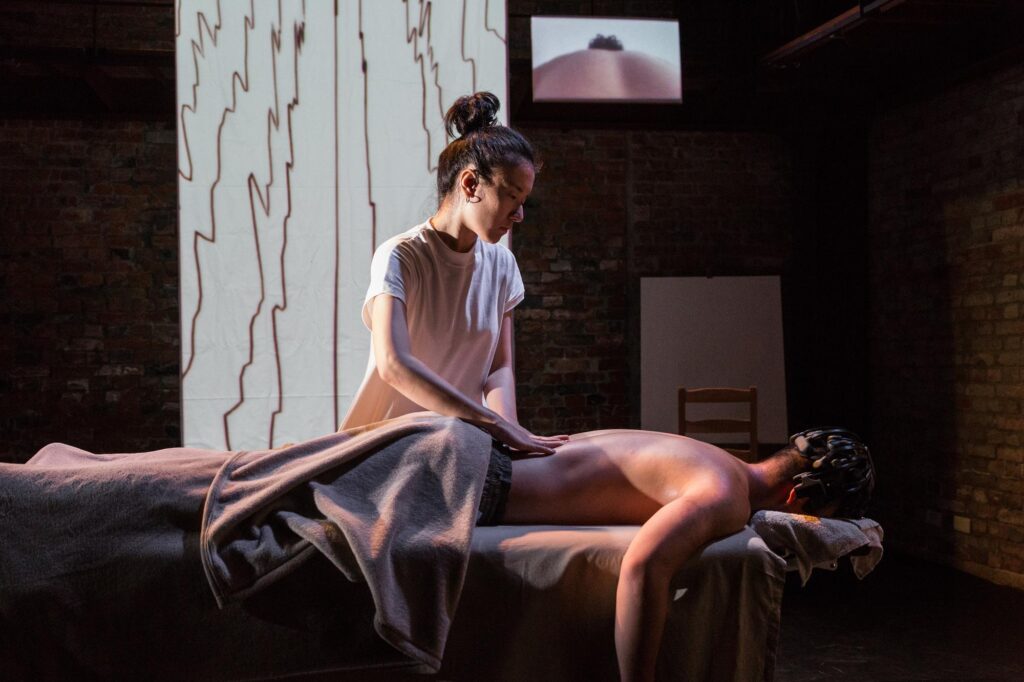
With an initial background in fine art, followed by research in cognitive neuroscience, Wang Yung-An explores the cognitive mechanisms of touch while expanding her artistic practice through performance and visual language. By integrating both affective experiences and empirical evidence related to the skin, Wang has been developing a touch score system called the “Mind-Skin Code.” This framework redefines bodily boundaries, reconfiguring the agencies between human and non-human, and critically engages with biopolitical constructs dominated by vision. Her work delves into the deep intra-actions between species, positioning the skin as a dynamic site of transformation rather than a static boundary.
Prof Beatriz Calvo-Merino
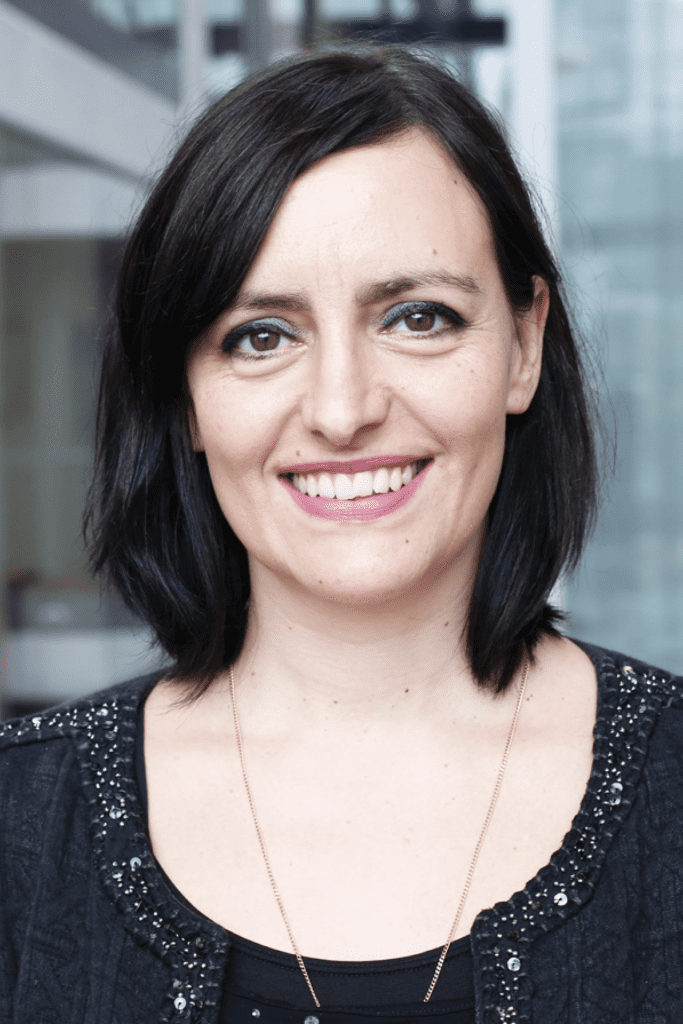
Cognitive neuroscientist Beatriz Calvo-Merino collaborates with dancers to gain a better understanding of the neural and cognitive mechanism participating in our perception of the performing arts. Prof Beatriz Calvo-Merino, focuses on the influence of observer expertise, particularly in the visual and sensorimotor domains, on social perception. Her work encompasses action observation, emotion recognition, and aesthetic experience. Central to her research are collaborations with expert dancers, past collaborations include the Royal Opera House Ballet, Laban Dance Centre, Mavin Khoo, Tom Sapsford, and the Random Dance Company. Prof Calvo-Merino uses diverse methodologies to explore the dancer’s brain, such as neuroimaging, neurostimulation, psychophysiology, and behavioral analysis. She has gained recognition for her research contributions in neuroaesthetics, including the Baumgarten Award from the International Association of Empirical Aesthetics in 2018, and also in neuroscience, with the Early Career Prize from the British Association of Cognitive Neuroscience in 2020. Her research has received funding from the Economic and Social Research Council (ESRC), Leverhulme Trust, Wellcome Trust Sci/Art projects, Ramon y Cajal programme and City University Fellowship Schemas. In addition to her research, Dr. Calvo-Merino directs the Clinical Social and Cognitive Neuroscience teaching program (MSc) at City St George’s, University of London.
Emma H Chen, MSc
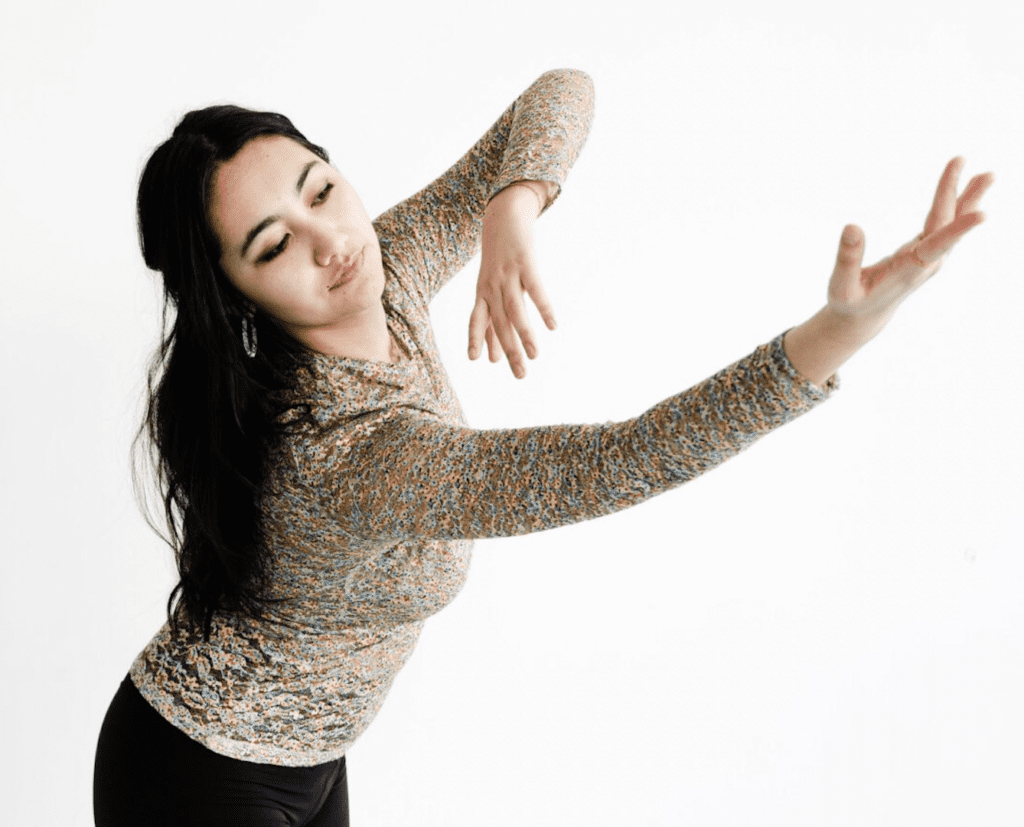
Emma-Hsiaowen (she/her) is a doctoral student in the Department of Health, Kinesiology and Applied Physiology at Concordia University. Having previously studied ballet and modern dance in New York City, she is interested in how dance can be used as a fun and engaging method to improve health and fitness. Since 2020, her research has primarily focused on how online dance classes can be used as accessible fall prevention programming for older women. Her research has received funding from both the Fonds de recherche du Québec – Santé (formation de maîtrise & doctorat) and the Canadian Institute for Health Research (CGS-M). She has also gained opportunities to present research at several international conferences in the United States, Taiwan, Japan, Glasgow, and Italy. Alongside her research, Emma is a passionate dance teacher having worked with several non-for-profit recreation centres in Ontario and Quebec. She believes in research extending beyond the lab and being implemented in communities. Emma obtained her bachelors in Exercise Science and Psychology at Concordia University (2021) and went on to complete her master’s degree in Health & Exercise Science at Concordia University (2023).
Prof Emily S. Cross

Emily is a cognitive neuroscientist and dancer based at ETH Zurich in Switzerland, where she leads the Professorship for Social Brain Sciences. Using interactive learning tasks, brain scanning, and dance, acrobatics and robots, she explores how experience shapes how we perceive and interact with others and is particularly interested in the social influences that shape human—robot interaction and the relationship between AI, artworks and artists. Emily received undergraduate and graduate degrees in the USA and New Zealand, completed postdoctoral training in the UK and Germany, and has held previous faculty positions in the Netherlands, Wales, Scotland and Australia. Her work has been funded by a number of national and international organisations, including the European Commission, Australian Research Council, National Institutes of Health, Ministry of Defence, Alexander von Humboldt Stiftung, Leverhulme Trust, Netherlands Organisation for Scientific Research and Fulbright Commission.
Audrey Rangel Aguirre
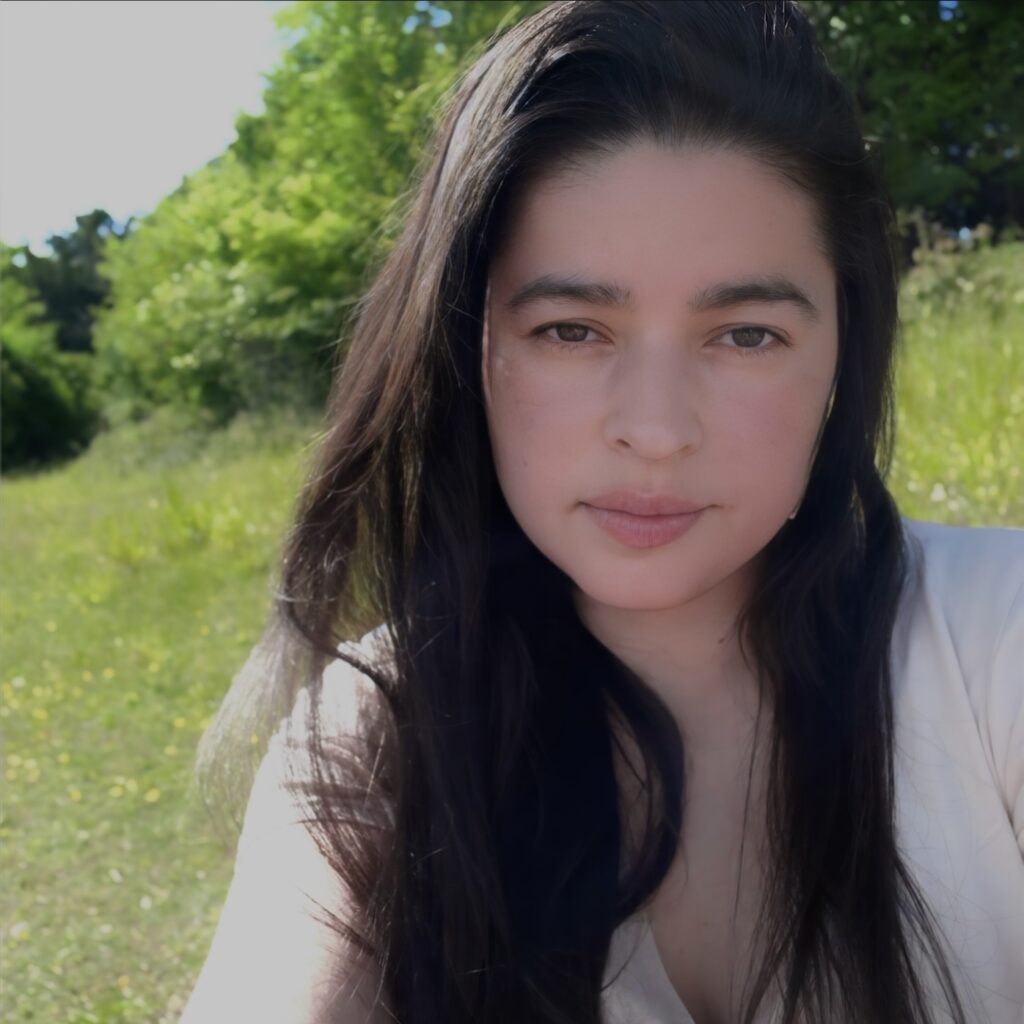
Audrey Rangel Aguirre is an Interdisciplinary Mexican artist based in England, researching at the intersection of art and science, focusing on artistic intuition to create new systems and speculative scenarios that belong to the future of human civilisation. Currently developing the research project Terras Lux, focusing on the relation between energy on microbial microecosystems on soil and the energy on human body. The core and intellectual structure of my project Terras Lux is the energy as electricity produced by microbial ecosystems on soil related with the energy of the human body, I present soil as a natural source of renewable energy that will be the future technology on future systems for human civilisation. The current convergence of art and science may be the key to unlock the development of human consciousness towards the next phase of civilisation. In my research, I allow myself to free artistic intuition to power and enhance scientific research with the aim of the creation of new systems that belong to the future of human civilisation, in which, with the collaboration of other beings like microbes and ecosystems, a new way of living and collaborating between all beings on Earth can be achieved, through reciprocity. I use creative intuition as a tool to create speculative scenarios that may be a possibility for our nearest future as society, and merge it with diverse branches of science as biology, biotechnology, microbiology, energy harvesting technology, physics, philosophy and spirituality. Intuition, reciprocity and caring for others as a way for weaving politics, poetics, and consequences through contemporary art practices.
Carolyn Davison
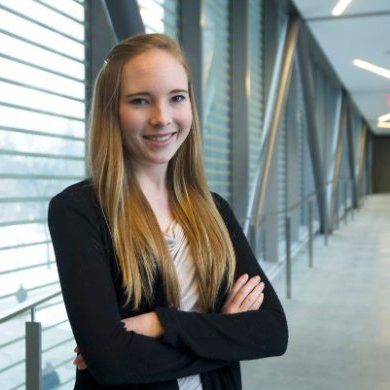
I am a PhD candidate, course instructor, and textile artist. I study age-related changes in the neural representations of information in working memory and embroider pieces related to neuropsychology.
Ruxandra Lipan
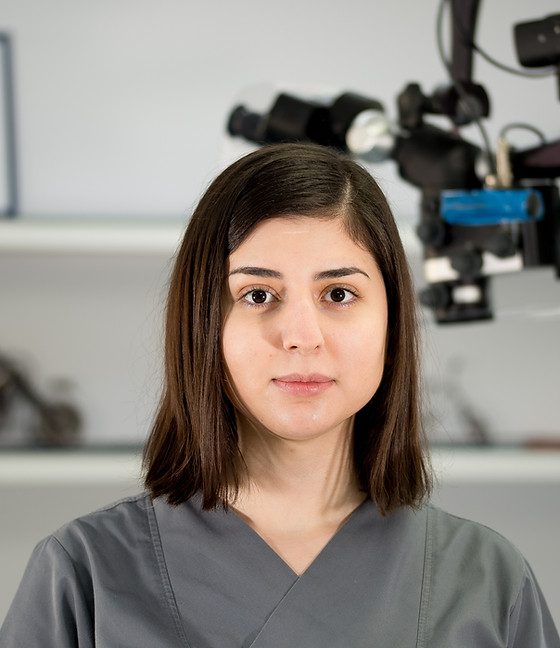
With a background in visual arts and architecture, and currently a full time job as a general dentist, I’m excited to follow my heart and explore the artistic side of my brain.
Sofia Papa
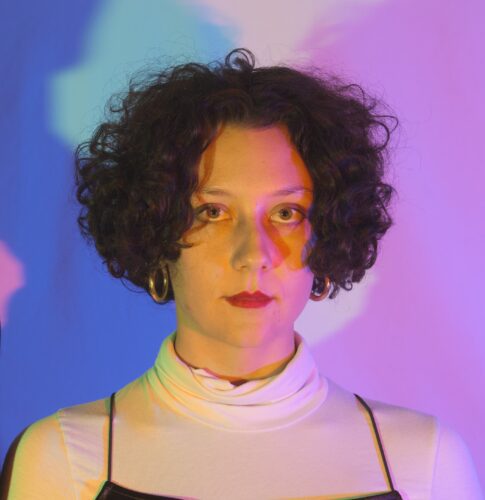
I am Sofia Papa, a researcher in Physics. I am doing my PhD in Materials Science at the Institute of Biorobotics at the Scuola Superiore Sant’Anna in Pisa and I am also a contemporary dancer! My personal research involves explaining some physics concepts with dance and introducing these two seemingly distant worlds. I am working on articles about unifying concepts between physics and dance, and I am working on a dance performance explaining the piezoelectric effect.
José Octavio Contreras Sánchez
My name is José Octavio Contreras Sánchez, I am dedicated to research and dissemination of art, science and technology, as well as management in innovation and transformation from a new circular economy. I have worked in outreach for more than 7 continuous years, supporting and developing prototypes in areas of environmental and basic education, both inside and outside the university. My objectives focus on generating a bond of understanding of knowledge through art, science and technology, seeking to create new learning interactions and break paradigms in new research topics. I have a broad vision in gender equality, personal and humanistic development, and I am dedicated to the contribution of new professionals. Additionally, I have sought to reach a larger population through public outreach events through forums, presentations, talks and workshops, accumulating valuable management experience. My topics of interest include environmental awareness, emerging technologies, virtual reality and innovation.
Gaz Lawrence
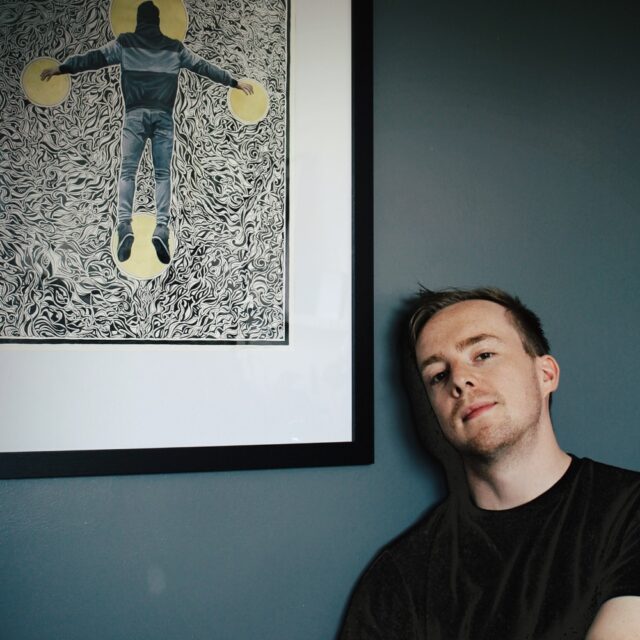
Gaz Lawrence is an interdisciplinary artist and STEAM educator working from Bristol. He is the founder of The MoSAIC (The Museum of Science, the Arts & Interdisciplinary Collaboration – www.themosaic.uk). The MoSAIC is a virtual museum providing learners of all ages and educators with a place to explore how the arts can help communicate science and to demonstrate the power of cross-curricular learning. The MoSAIC’s latest virtual exhibition: ‘The Art of Astrophysics’ is a collaboration with researchers from the University of Oxford and the California Institute of Technology, showing astronomy research from a new perspective using visual art and poetry. Gaz’s artwork uses different media including ink, oil, acrylic, spray paint and digital media to create expressive figurative and abstract artworks that subtly explore the intersection between science, tech and fine art.